.svg.png)
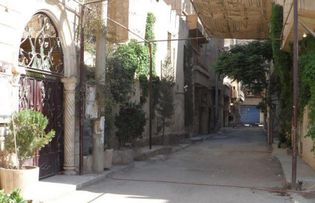
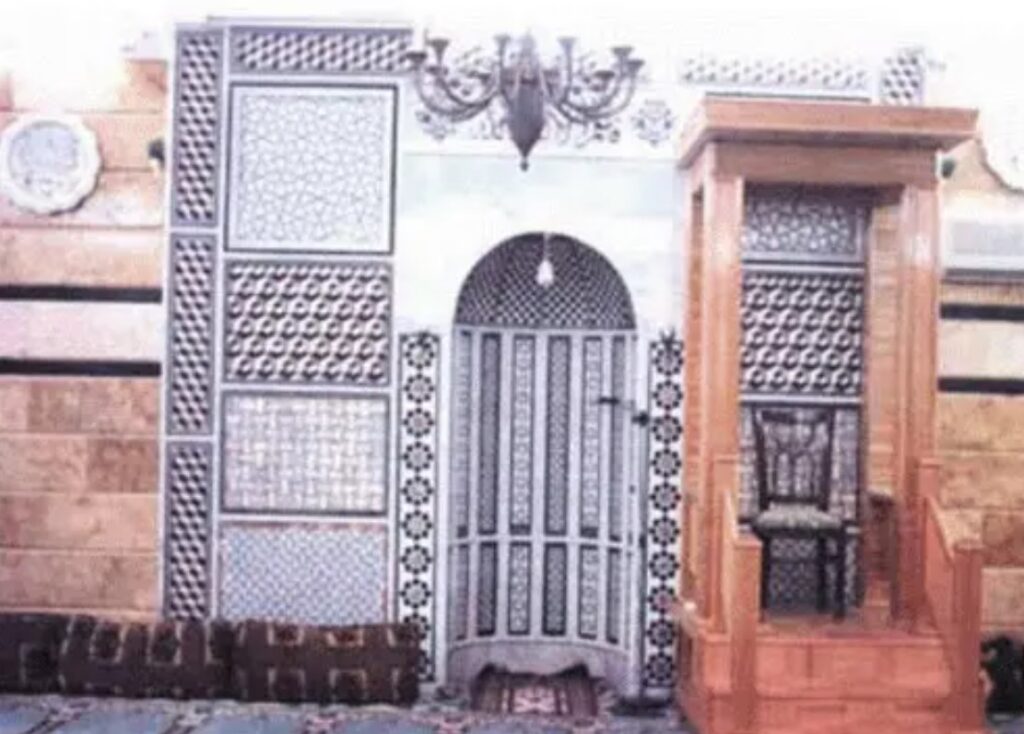
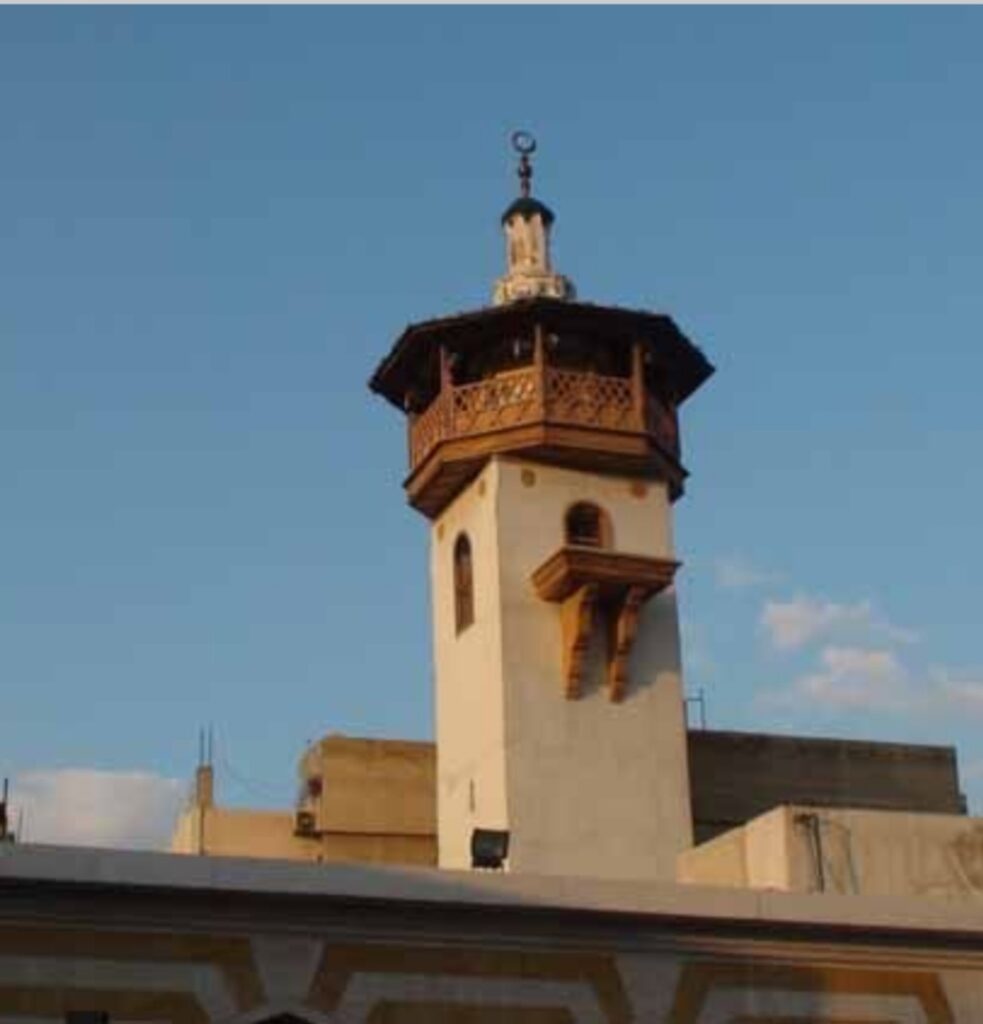
Tekkiyeh of Sheikh Wais—also known as the Great Naqshbandi Tekkiyeh—is a small mosque (zāwiya) situated in the heart of Deir ez-Zor, Syria. The term tekkiyeh is the Turkish equivalent of khanqah or zāwiya, though its etymology remains ambiguous. Some scholars trace it to the Arabic verb ittakā (to lean or rely on), aligning with the Turkish sense of rest and relaxation—a place frequented by wayfarers and travelers from nearby villages, where they would eat, drink, and sleep. The French orientalist Clément Huart suggested a Persian origin, linking the word to leather, recalling the Sufi sheikhs’ use of sheepskin and other hides as spiritual emblems.
Named after Sheikh Muhammad Uwais al-Naqshbandi, son of Sheikh Ahmad al-Azzi al-A‘raji al-Husayni (reverently known as Sheikh Ahmad the Great), the tekkiyeh was constructed in 1885. It was succeeded by his descendants—first his son Sheikh Abdul Jalil, and later Sheikh Iyad al-Azzi al-Naqshbandi, who became a prominent figure in civic life, serving as the Mufti of Deir ez-Zor and Director of Awqaf.
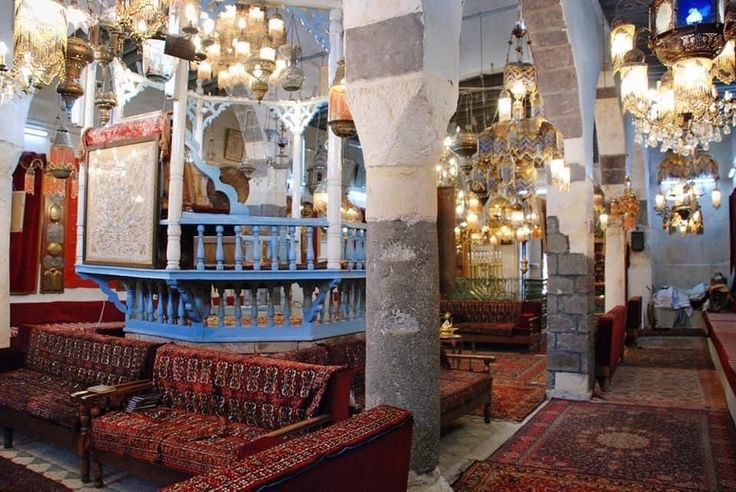
The Tekkiyeh of Sheikh Wais is the oldest tekkiyeh in Deir ez-Zor. It was built in 1885 by Sheikh Ahmad al-Azzi al-Naqshbandi the Great, who had a close relationship with Sultan Abdul Hamid, from whom he received gifts of carpets and chandeliers for the tekkiyeh.
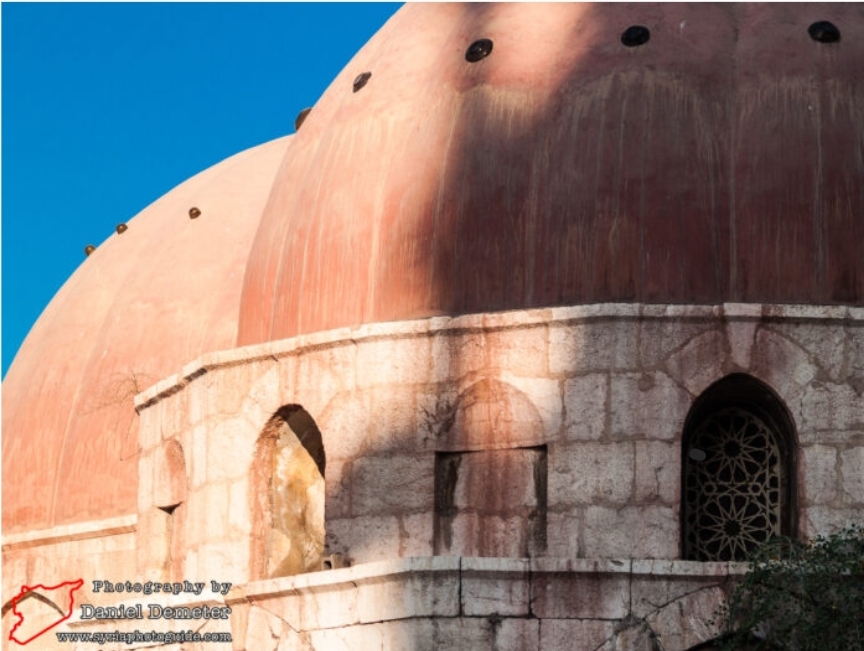
The structure covers an area of 562 square meters. Its walls were constructed from limestone and black plaster, while the domes were built using evenly cut soft stone. The columns resemble marble milestones, topped with capitals carved in the shape of delicate leaf motifs.