.svg.png)
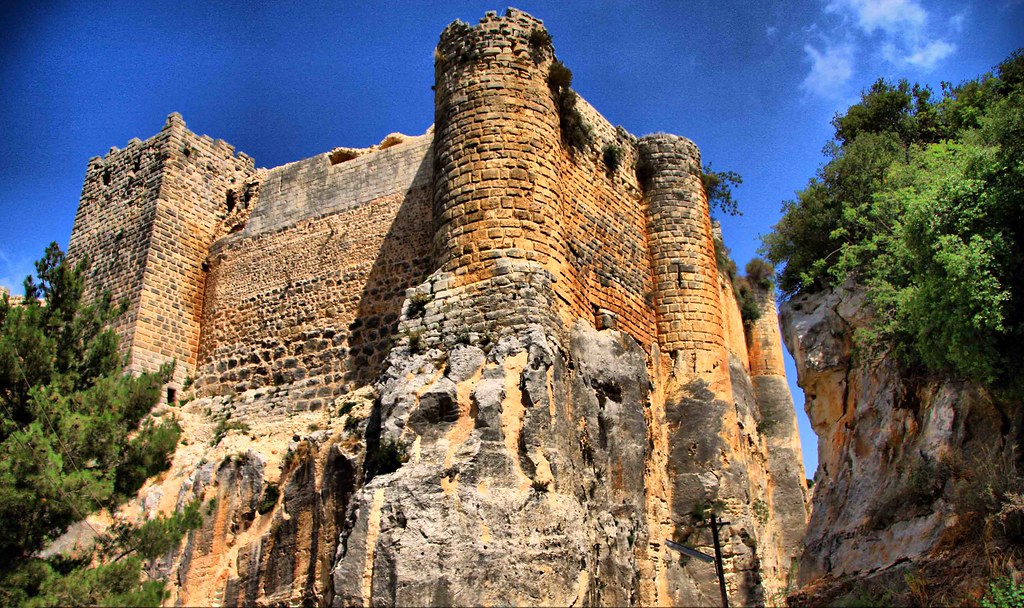
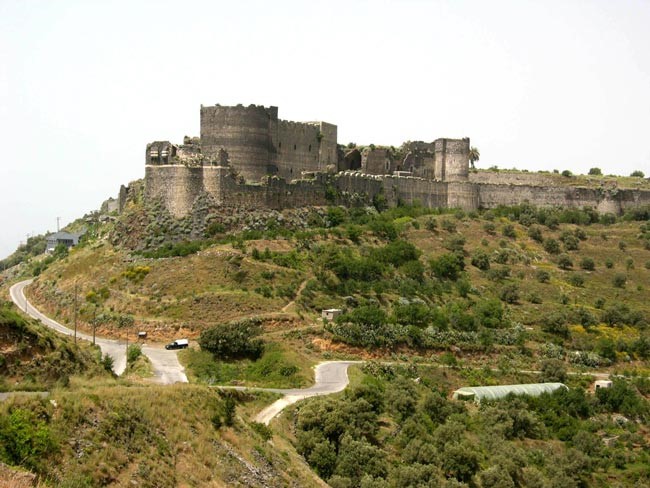
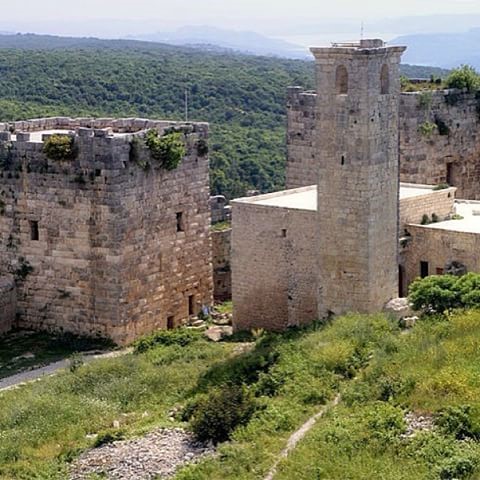
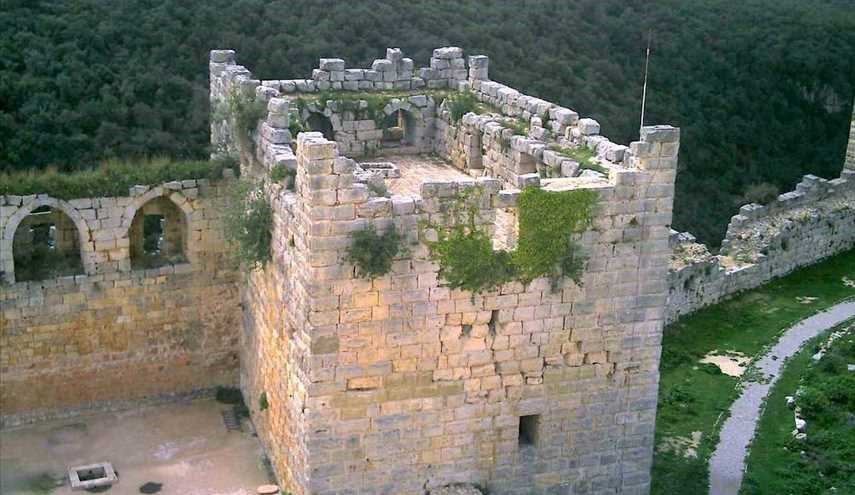
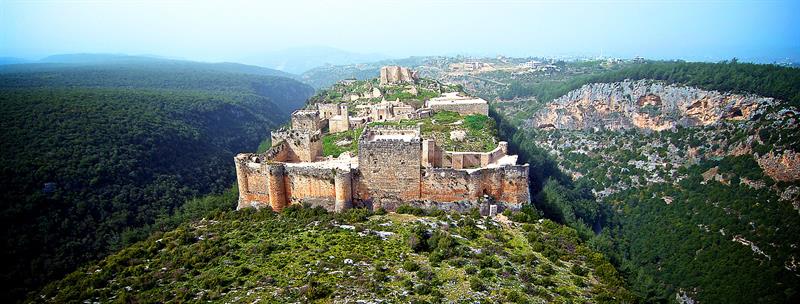
Perched on the slopes of Mount Daryus, the Citadel of Salah al-Din is an ancient fortress with origins so old that pinpointing its earliest history is difficult. However, it is widely believed to have been a Phoenician stronghold dating back to the early 1st millennium BCE.
The site was under the control of Arwad when it was conquered by Alexander the Great in 333 BCE. Over the centuries, it changed hands several times, eventually becoming part of the Byzantine Empire before falling briefly to Sayf al-Dawla in 949 CE. It was later retaken by the Byzantines during the reign of John I Tzimiskes, who restored it and converted it into a military garrison.
Around 1119 CE, the castle came under Crusader rule, belonging to Roger of Antioch, who granted it to the wealthy and influential Robert of Saone. He rebuilt and fortified the castle, which was later named after him and underwent major reconstruction between 1100 and 1188.
In 1188, Salah al-Din al-Ayyubi (Saladin), along with his son al-Zahir Ghazi, the ruler of Aleppo, launched a siege on the fortress. As the local population sought refuge inside, Saladin placed six catapults on the western cliffs and began bombarding the castle from the west, while his son attacked from the east. After fierce fighting, the fortress surrendered to Saladin.
Following the Ayyubid victory, the castle came under the governance of a local noble family, that of Emir Nasir al-Din Manfuriris, who controlled it between 1188 and 1272. It was later handed over to Sultan Baybars to strengthen resistance against the Crusaders. During the Mamluk period, it became the property of Sunqur al-Ashqar, remaining under his control until it was seized by Sultan Qalawun after a long siege.
The fortress remained inhabited until the end of the Mamluk era and served a strategic role in guarding the route between the Orontes River and Antioch