.svg.png)
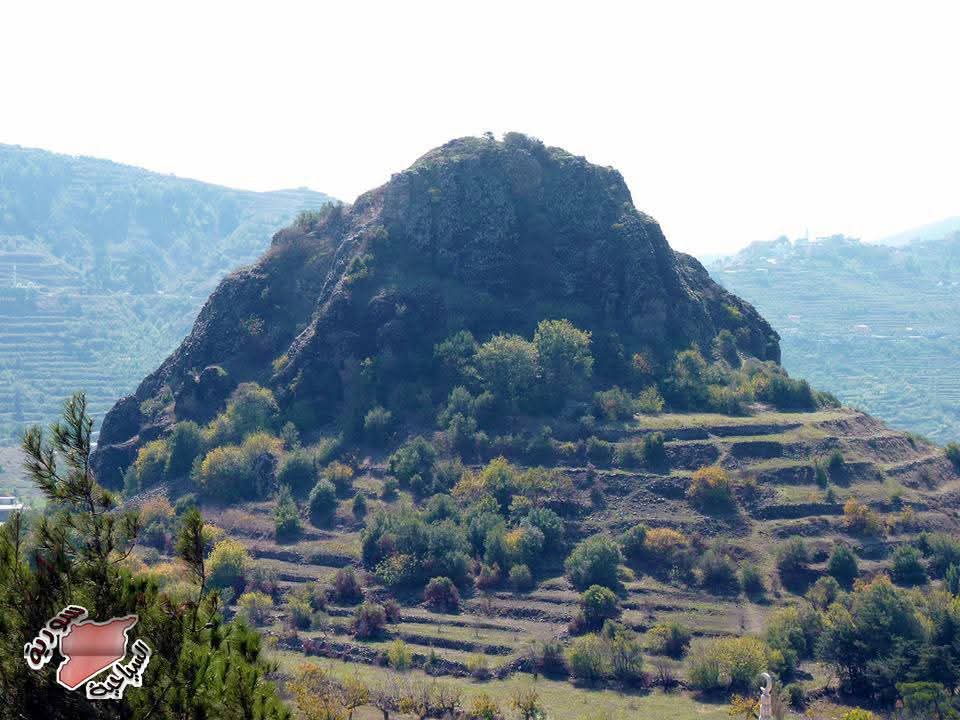
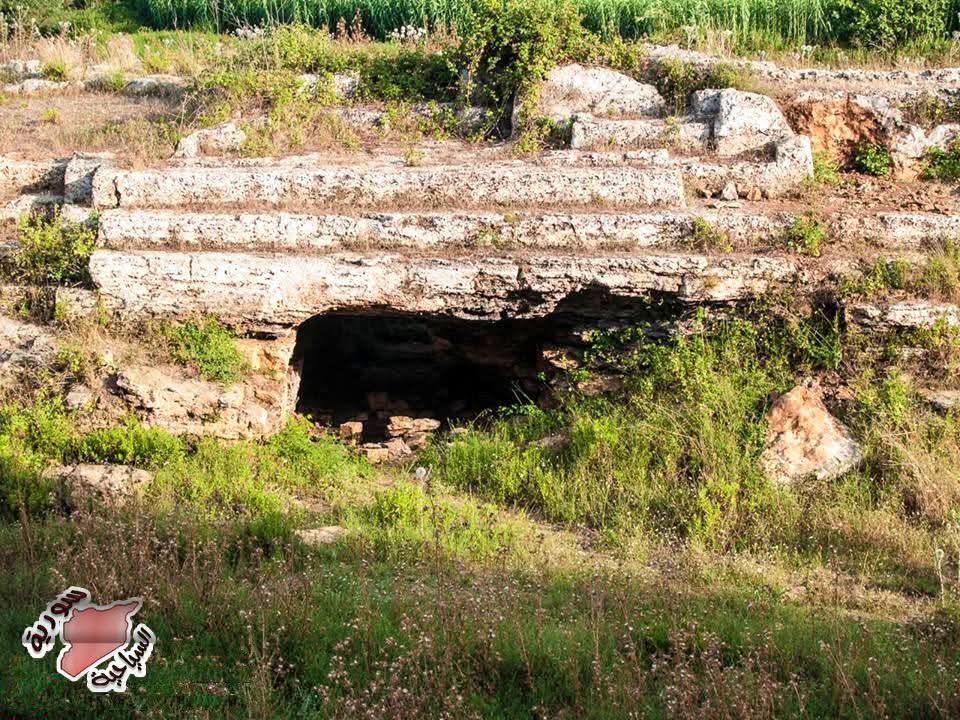
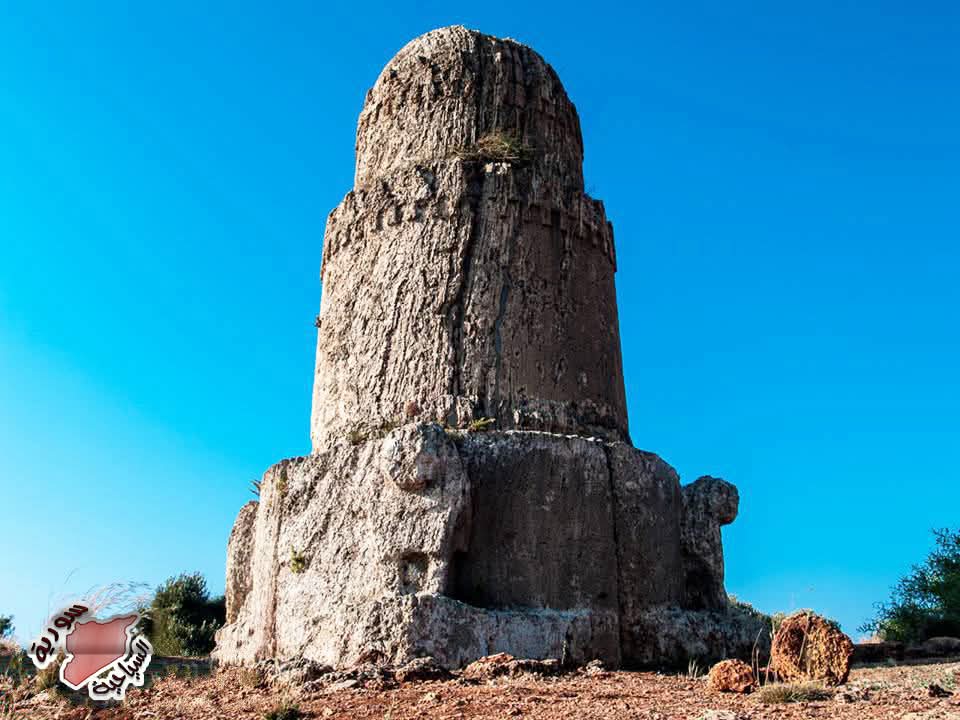
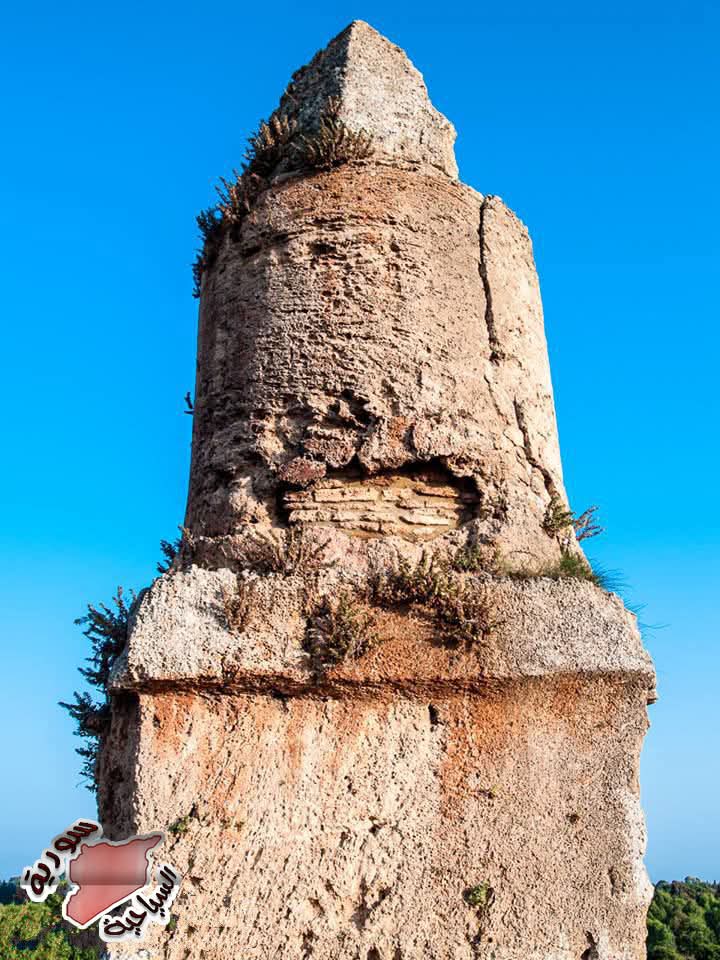
Amrit is believed to have been established primarily to secure the food supplies and timber needs of the island of Arwad. The site did not hold significant importance as a harbor, although small vessels were able to dock at its estuary. According to archaeological texts dating to the era of Alexander the Great, Amrit was under the jurisdiction of Arwad—a prosperous city. It appears that the site’s development took place during the early Eastern periods preceding Alexander’s conquests.
Details regarding Amrit remain scattered and limited, with historical records ceasing after the reign of the Roman Emperor Hadrian.
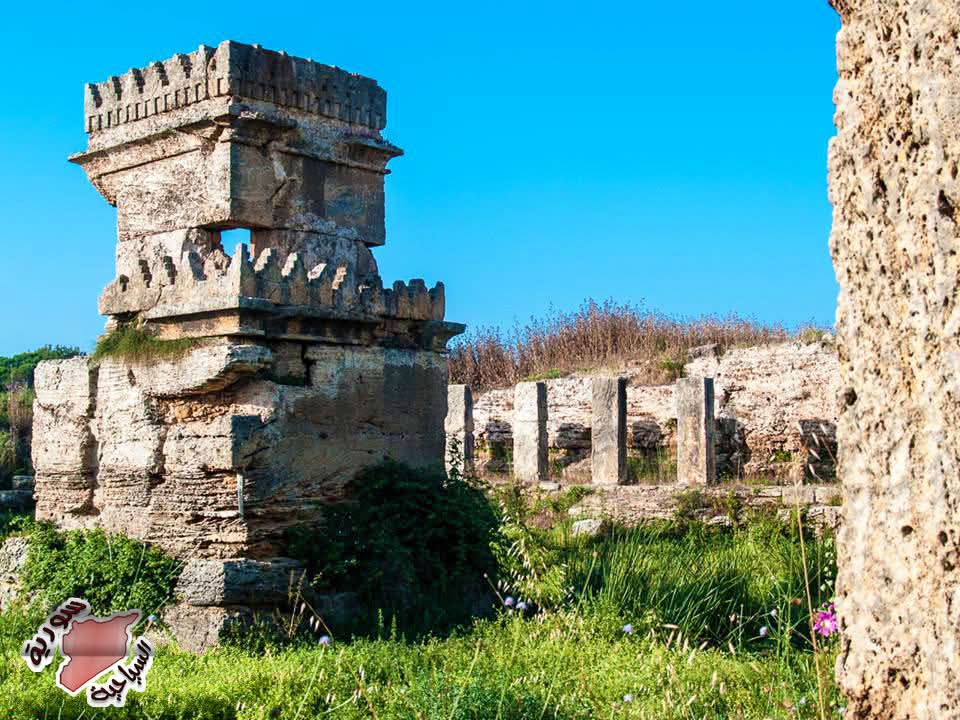
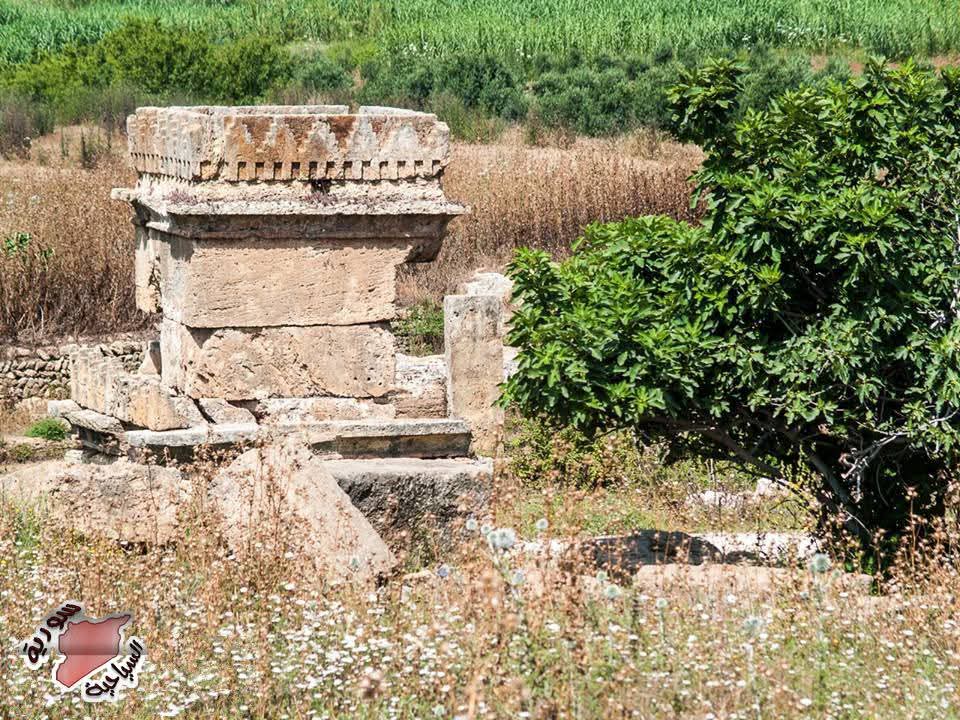
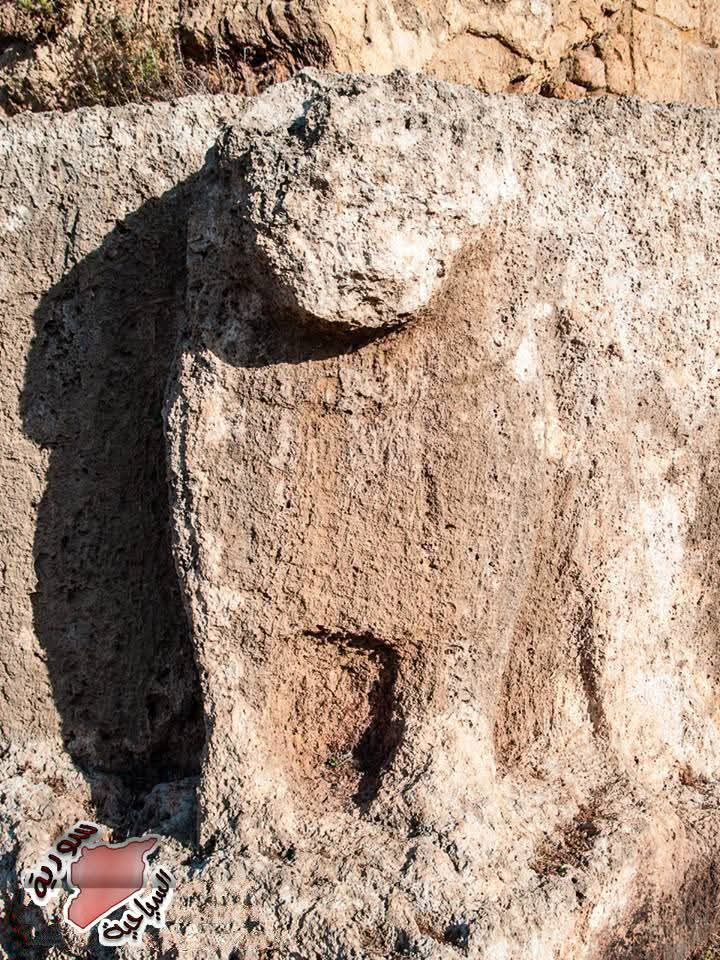
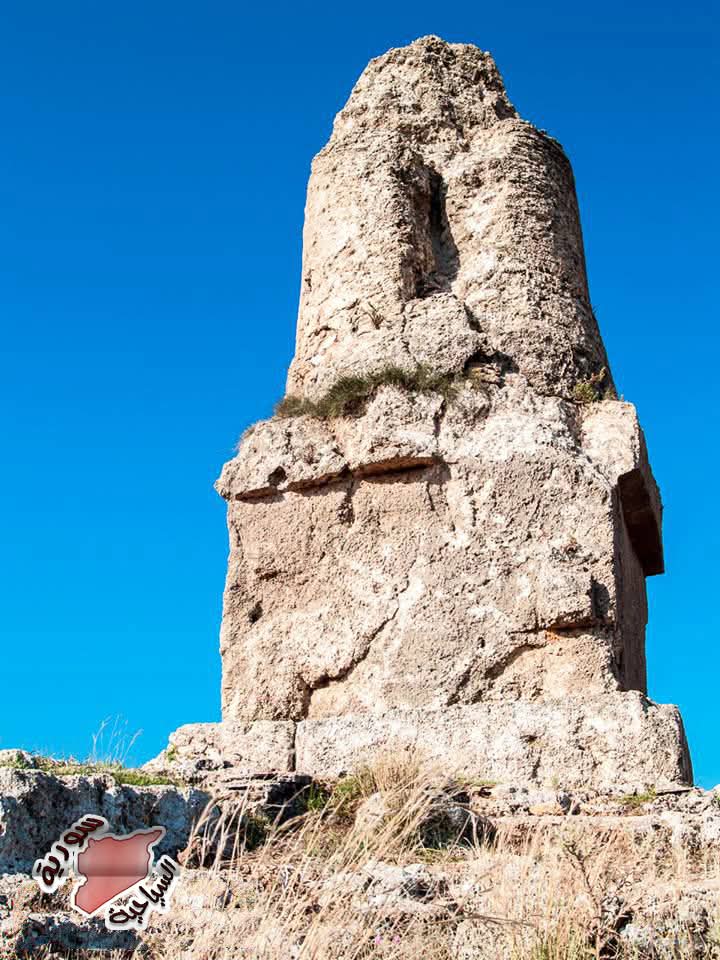
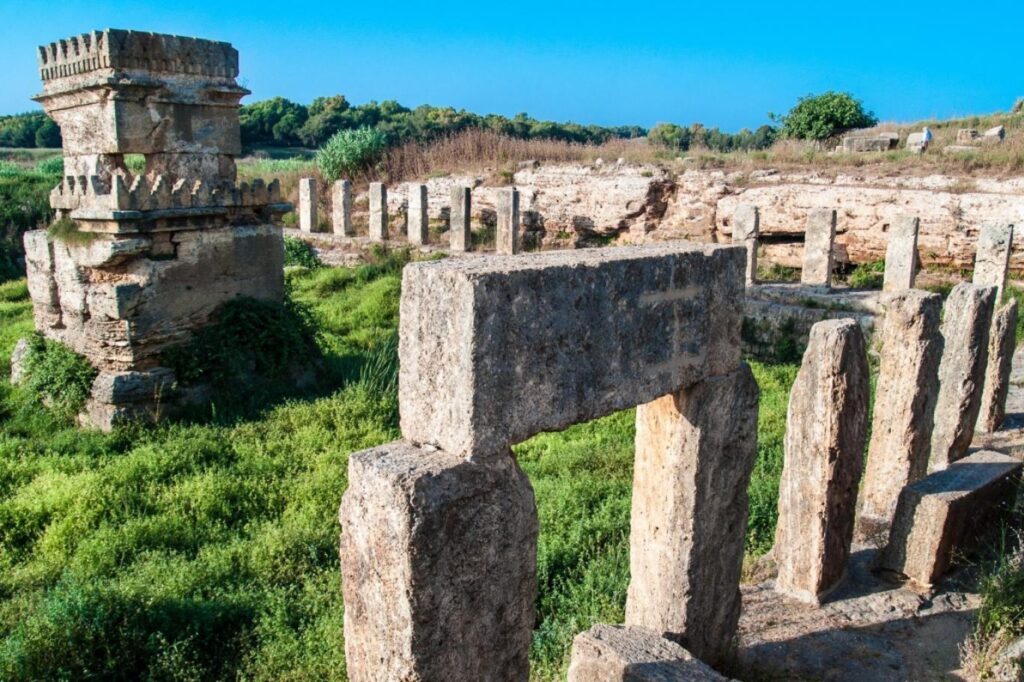
Amrit flourished during the Seleucid and Persian periods, with most of the extant archaeological remains dating to these eras. The first excavation at Amrit was conducted by Ernest Renan in 1860, followed by a second campaign in 1926 led by Maurice Dunand. A third excavation was organized by the Directorate of Antiquities and Museums, focusing primarily on the temple area (the Spring Temple). Today, Amrit still preserves landmarks visible to visitors, locally referred to as “Al-Maghaazil,” meaning the tombs.
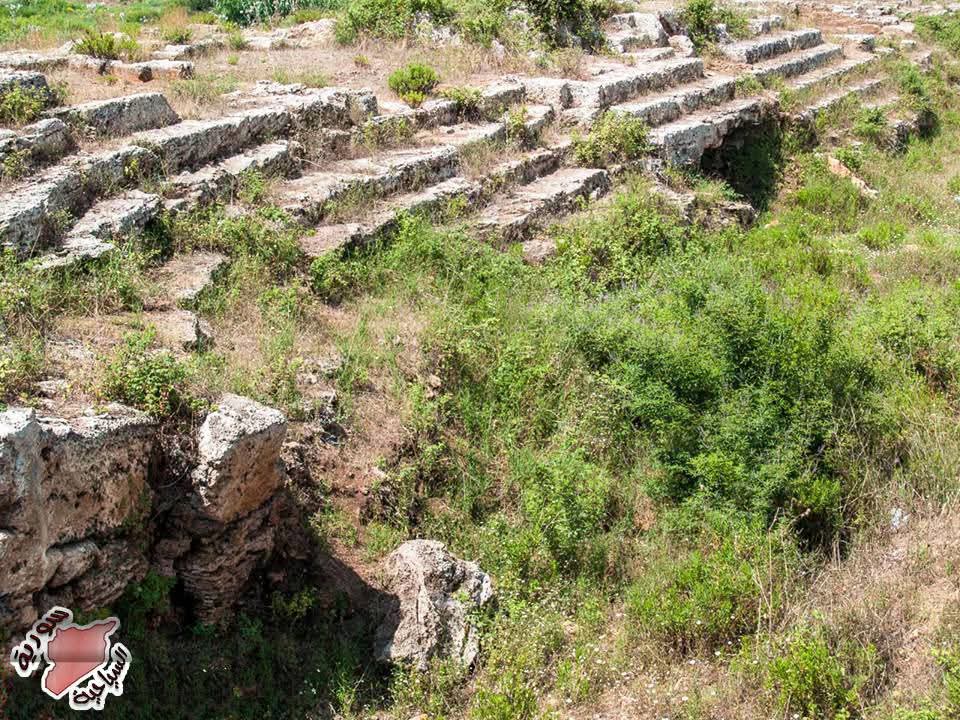
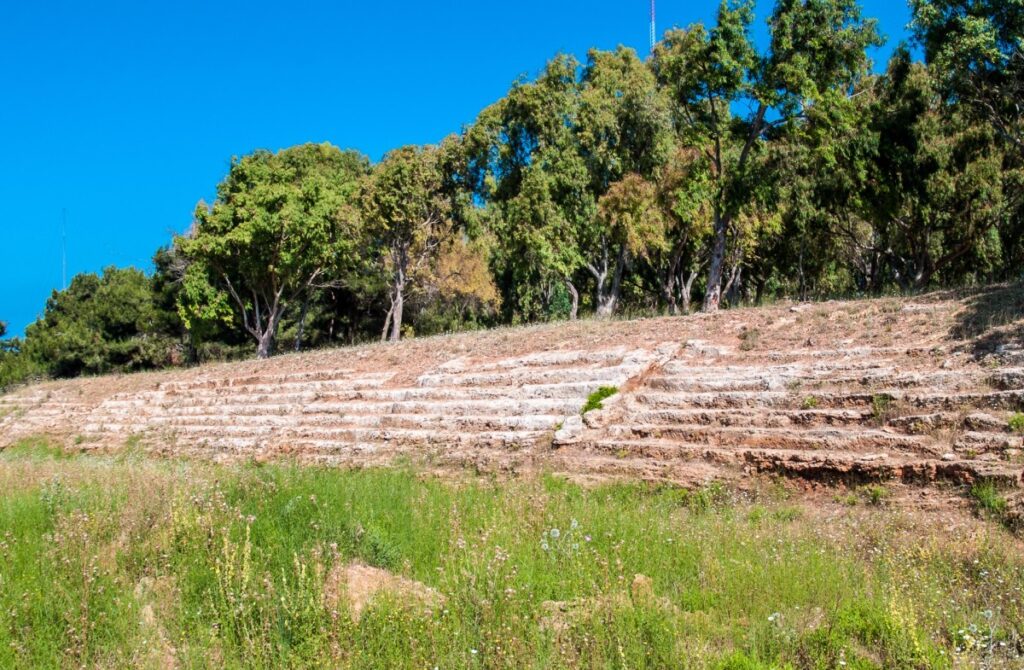
Key archaeological features include the Phoenician temple, an Olympic stadium, and royal tombs.
Conservation status: The site is partially preserved