.svg.png)
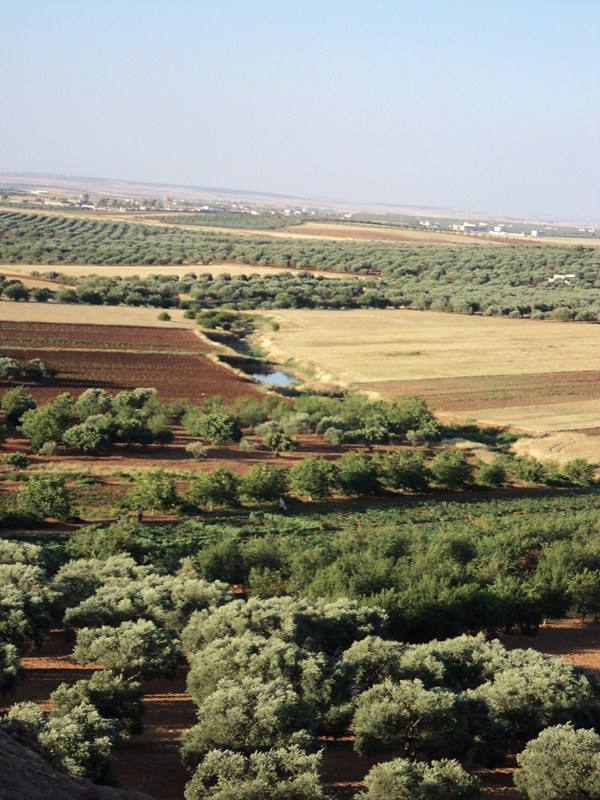

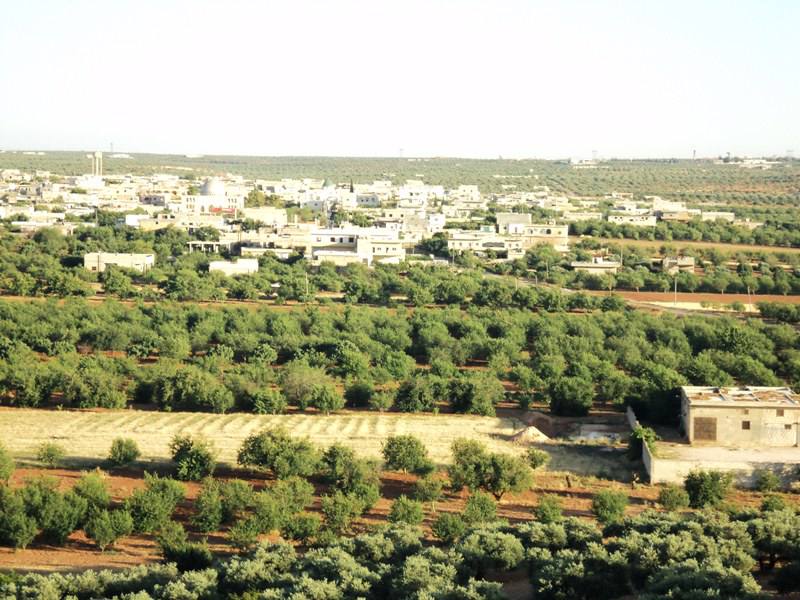
Tell Dinit rises amid the fertile al-Ruj plain. It is an archaeological site that represents the convergence of multiple civilizations over the ages, with its settlement layers witnessing successive Amorites and Aramaeans. In 2004, excavations revealed the foundations of a rectangular palace surrounded by a thick mud wall. Inside, limestone cylinder seals bearing symbols of the storm god “Hadad” were found — a clear indication of the religious authority exercised by an Amorite agricultural group that lived at the site.
In the upper layers of the site, traces of fires are likely linked to military campaigns in the second millennium BC, reflecting the complex political and military interactions in the region at the time. In 2014, the site was subjected to illegal excavations, resulting in the loss of some archaeological finds. However, aerial photographs by the American Society for Near Eastern Research (ASOR) have helped to accurately document the locations of these finds.
Archaeological studies recommend digging a surrounding trench to collect rainwater around the base of the hill to prevent the ground from being soaked with water and mud, which could lead to its collapse. These efforts are also accompanied by sustainable community initiatives. Plans are underway to partner with a local school to launch the Tell Guardians Program, which will train students to monitor the site and document environmental and structural changes via a mobile app. This will enhance community awareness and engage local residents in protecting the archaeological heritage.
These initiatives embody a new approach to archaeological site management, combining modern technology with the local community’s role in preserving history. This will ensure that Tell Dinit remains resilient, telling the stories of the Amorite and Aramean civilizations for future generations.