
.svg.png)
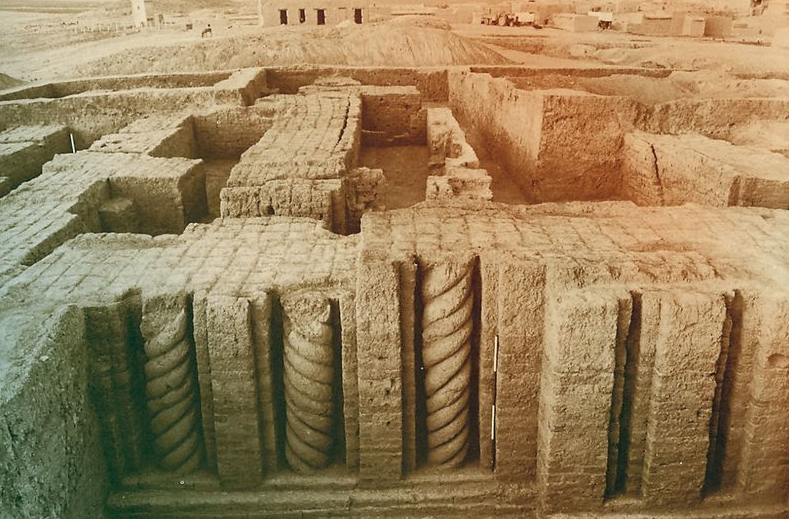

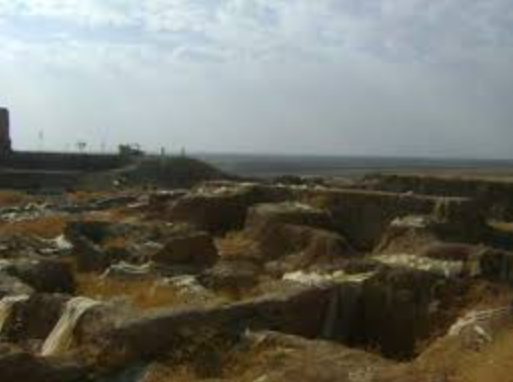
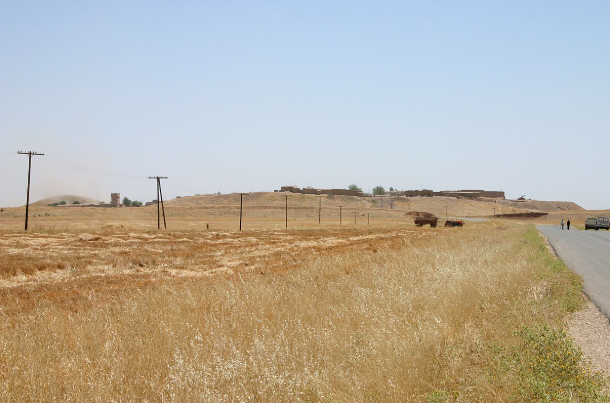
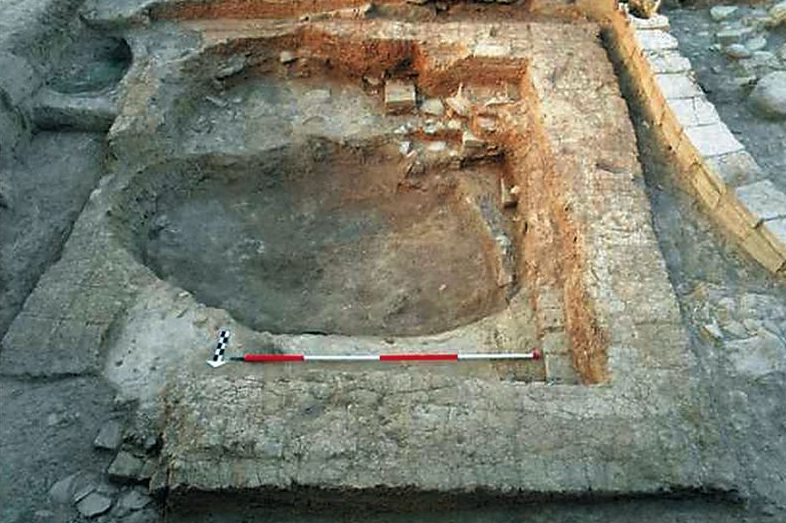
Tel Leilan served as a thriving administrative center in the Assyrian realm during the 18th century BCE. Its urban plan features a grid layout enclosed by a city wall with radial gates leading to an “industrial quarter” dedicated to textile production. Archaeologists uncovered more than 1,100 cuneiform tablets documenting a sophisticated grain-rationing system.
Environmental analyses, including tree-ring studies and wild pollen records, point to a sudden episode of drought around 1700 BCE, triggering a large-scale population exodus. As such, tel Leilan has become a key case study in examining the links between climate change and urban collapse in the ancient Near East.