.svg.png)
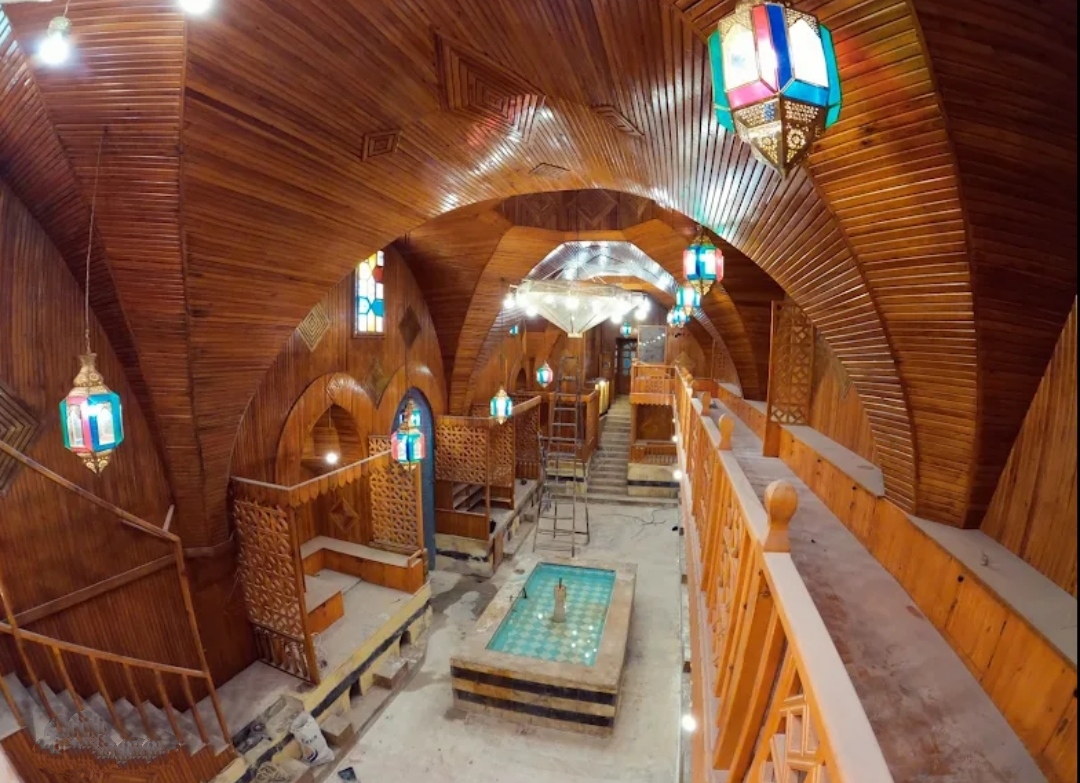
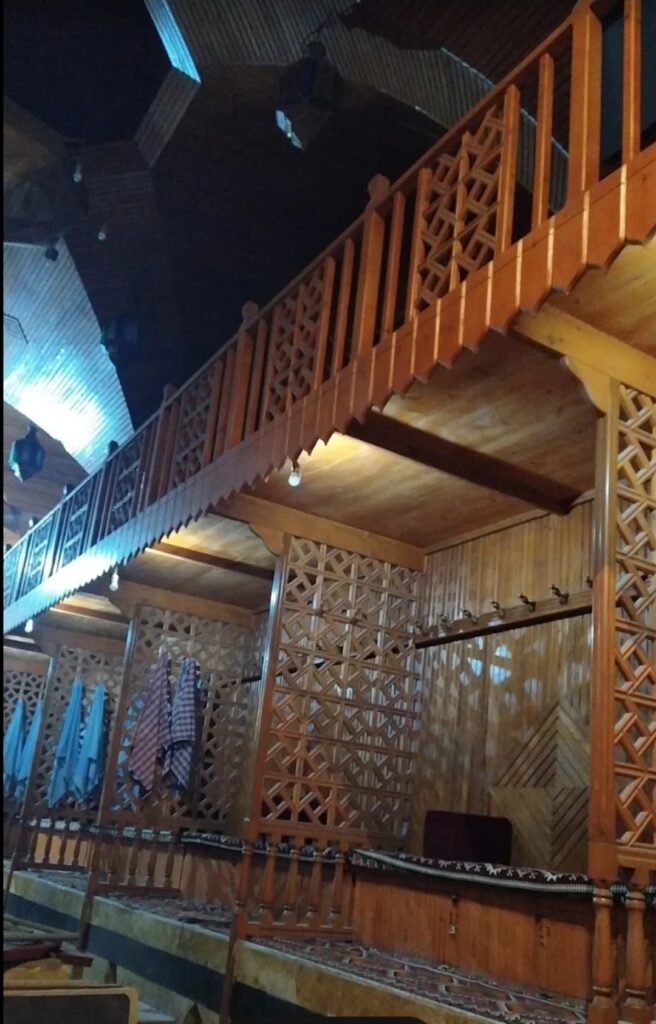
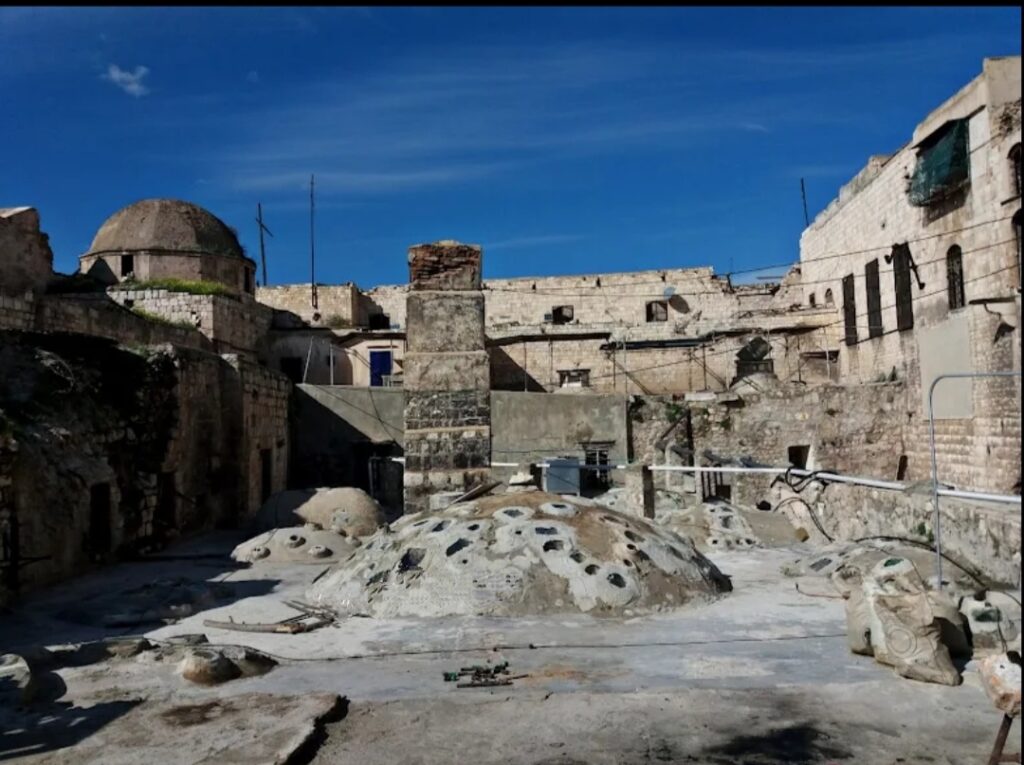
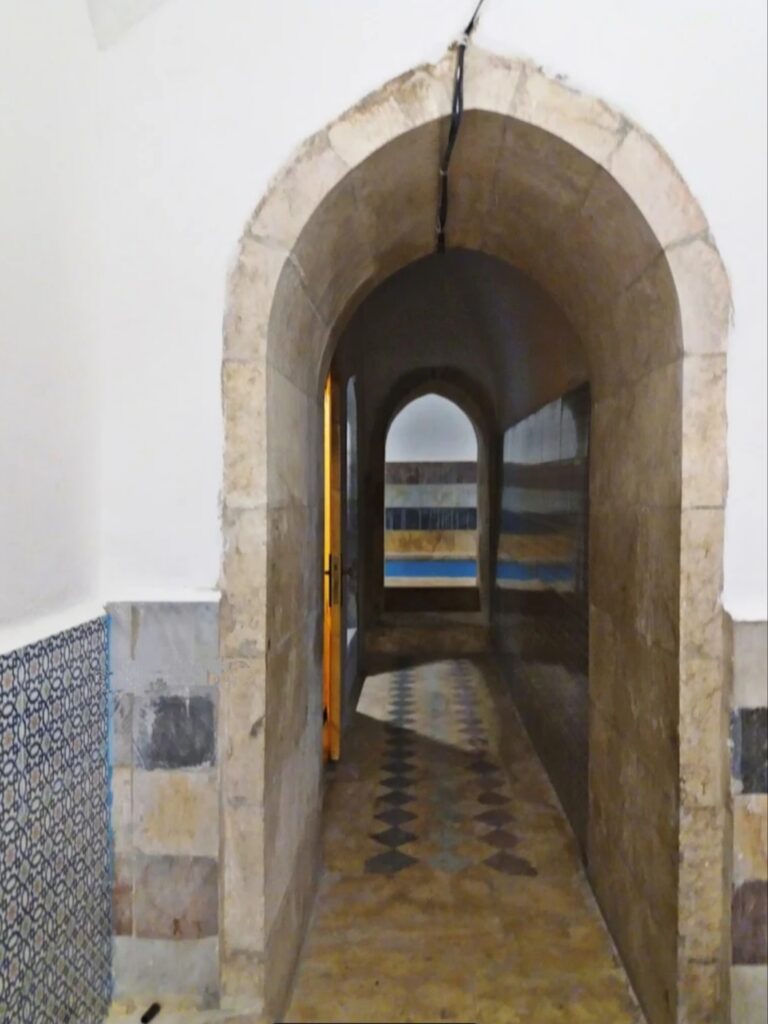
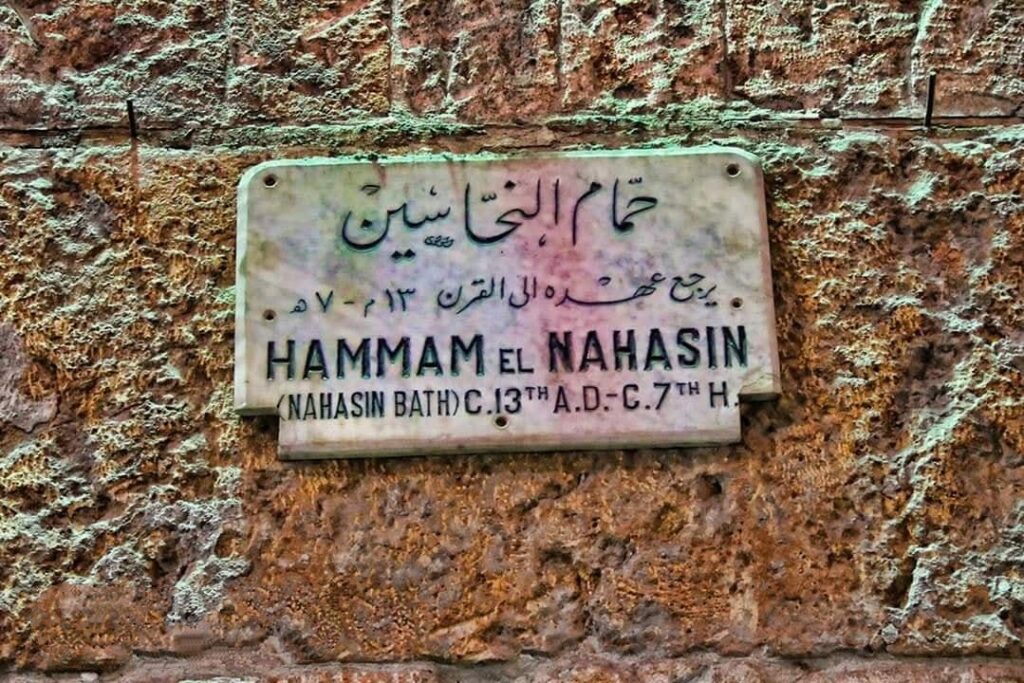
Hammam Al-Nahhaseen (Coppersmiths’ Bathhouse) dates back to the 12th century AD, commissioned by Aisha bint Salah al-Din al-Ayyubi, daughter of Sultan Salah al-Din al-Ayyubi. It is located in Al-Madina Souq in Old Aleppo, south of the Great Umayyad Mosque, near Khan Al-Nahhaseen.
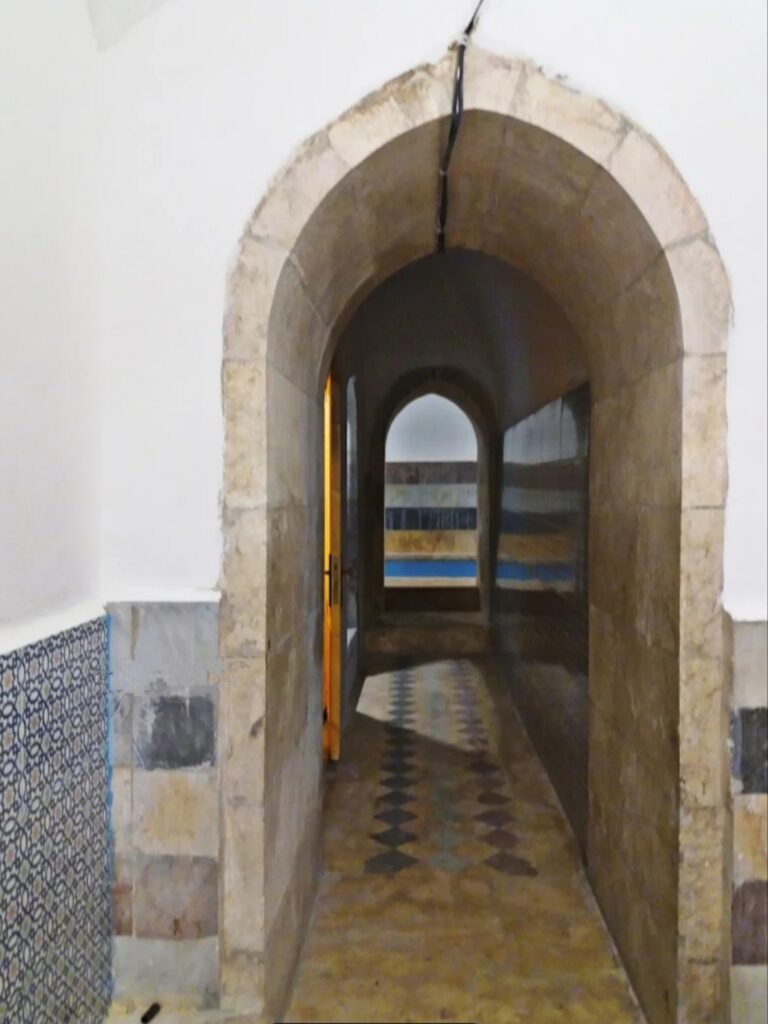
The hammam derives its name from its proximity to the ancient Coppersmiths’ Souq, one of Old Aleppo’s most significant traditional markets. Hammam Al-Nahhaseen features a traditional Eastern bathhouse architectural design, incorporating a hierarchical progression of temperatures and humidity levels to ensure a comfortable and health-enhancing bathing experience.
The bathhouse is divided into three main sections:
• The Inner Section (Al-Jawani): Contains warm and hot rooms designated for bathing and steam.
• The Central Section (Al-Wastani): Used for massages after bathing.
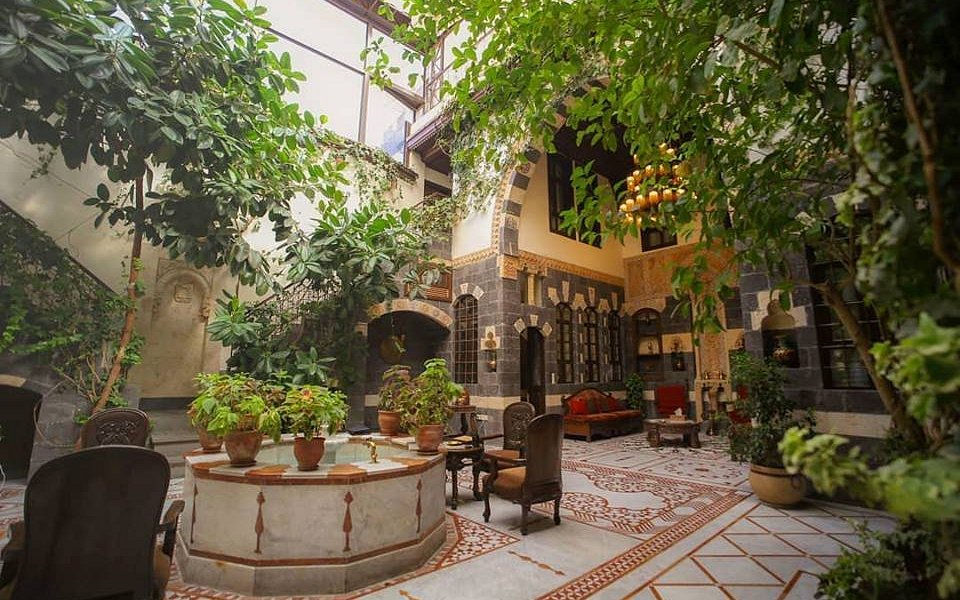
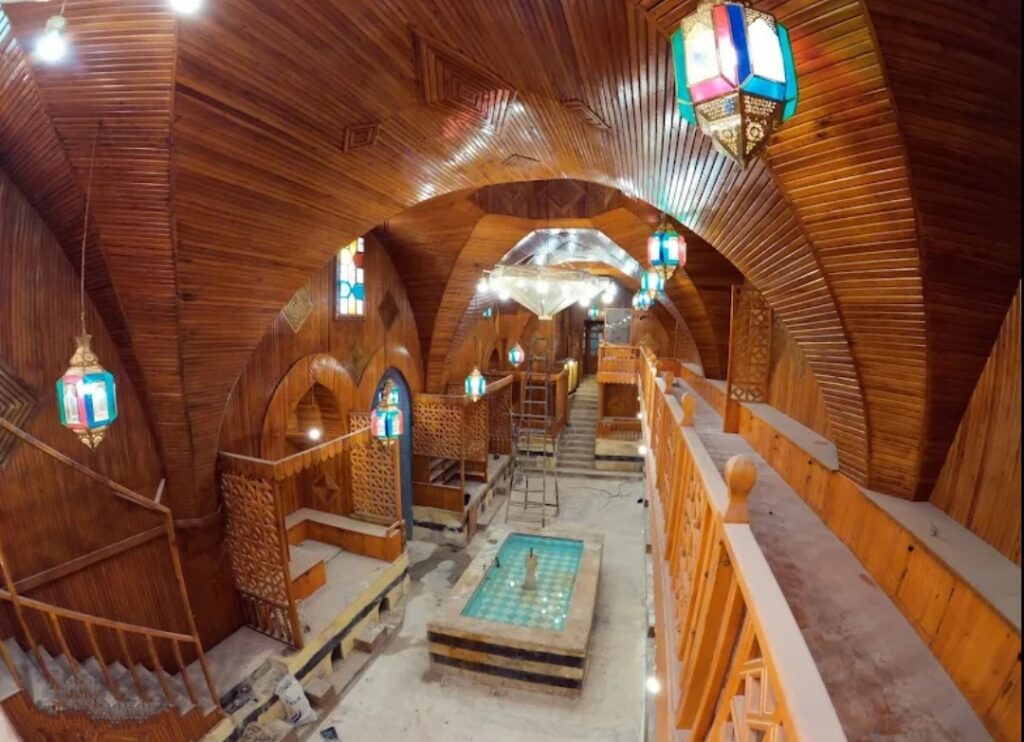
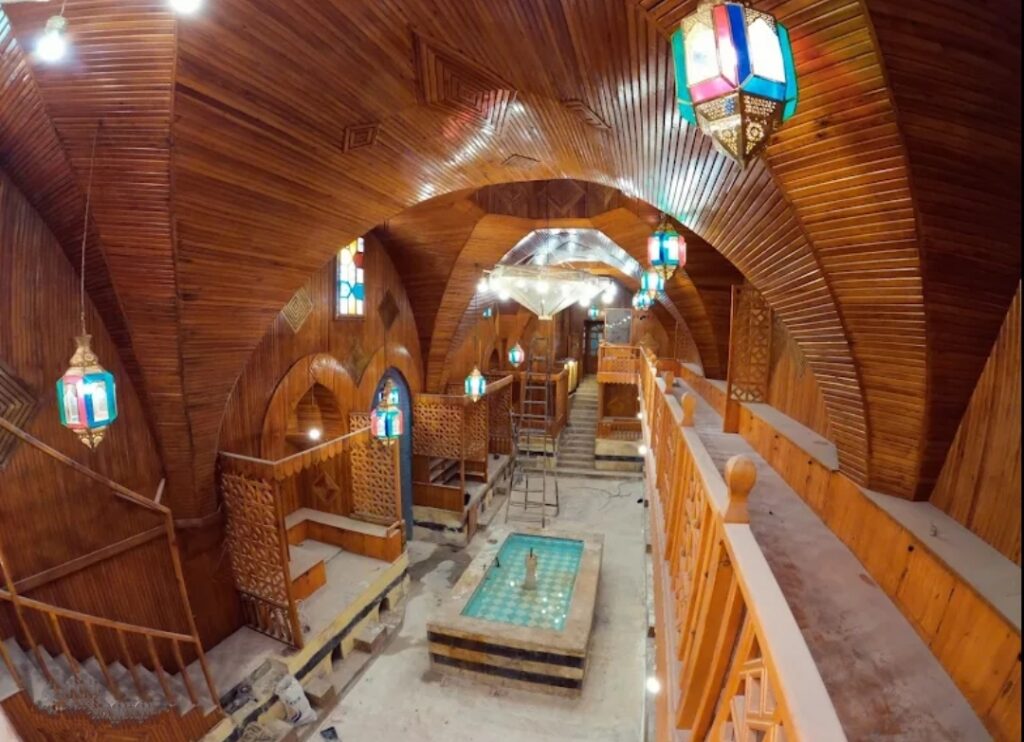
• The Outer Section (Al-Barrani): The largest part of the hammam, distinguished by its traditional wooden ornamentation and marble flooring, and used for relaxation around the pool.
The hammam also includes a separate section for women known as Hammam Al-Sit.
Hammam Al-Nahhaseen sustained damage during the Battle of Aleppo between 2012 and 2016. A comprehensive restoration process began in 2021 and concluded in January 2022. The hammam reopened in November 2022, resuming its role as a public facility.
Hammam Al-Nahhaseen is considered one of the oldest and largest public bathhouses in Aleppo and is an essential part of the city’s cultural heritage.