.svg.png)
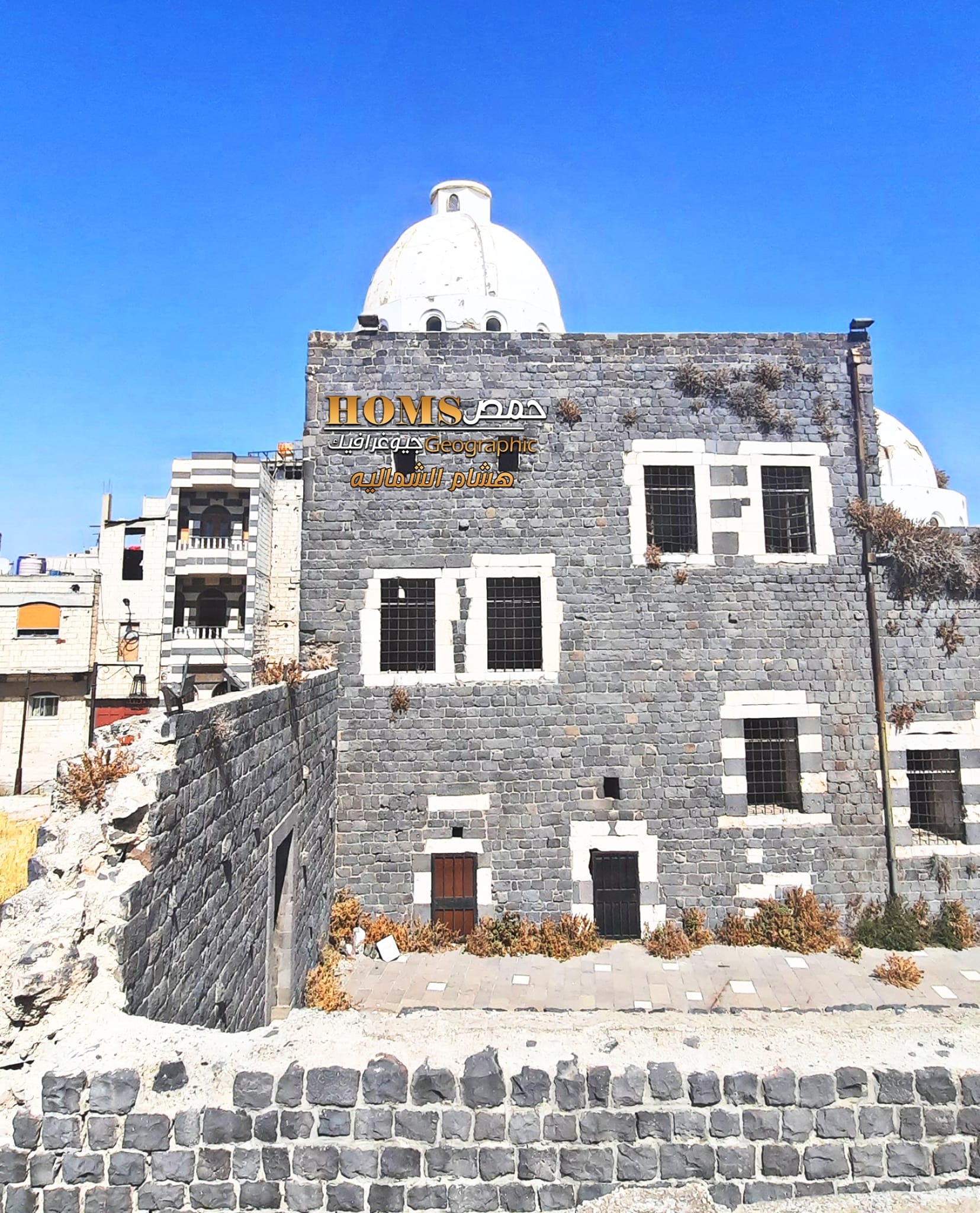
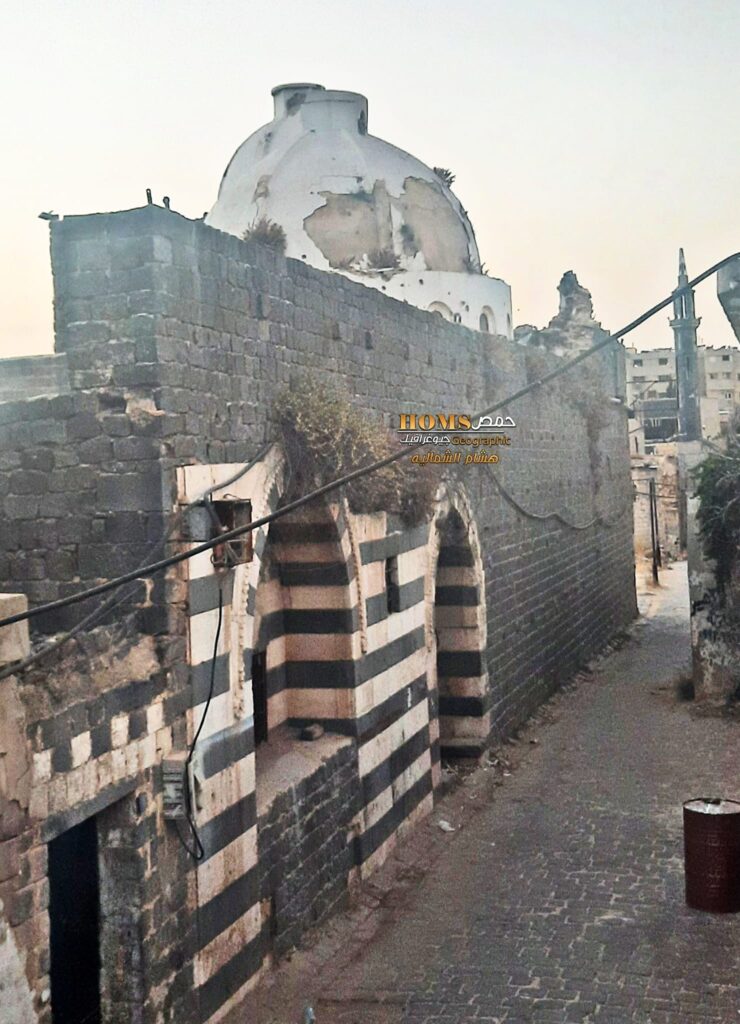
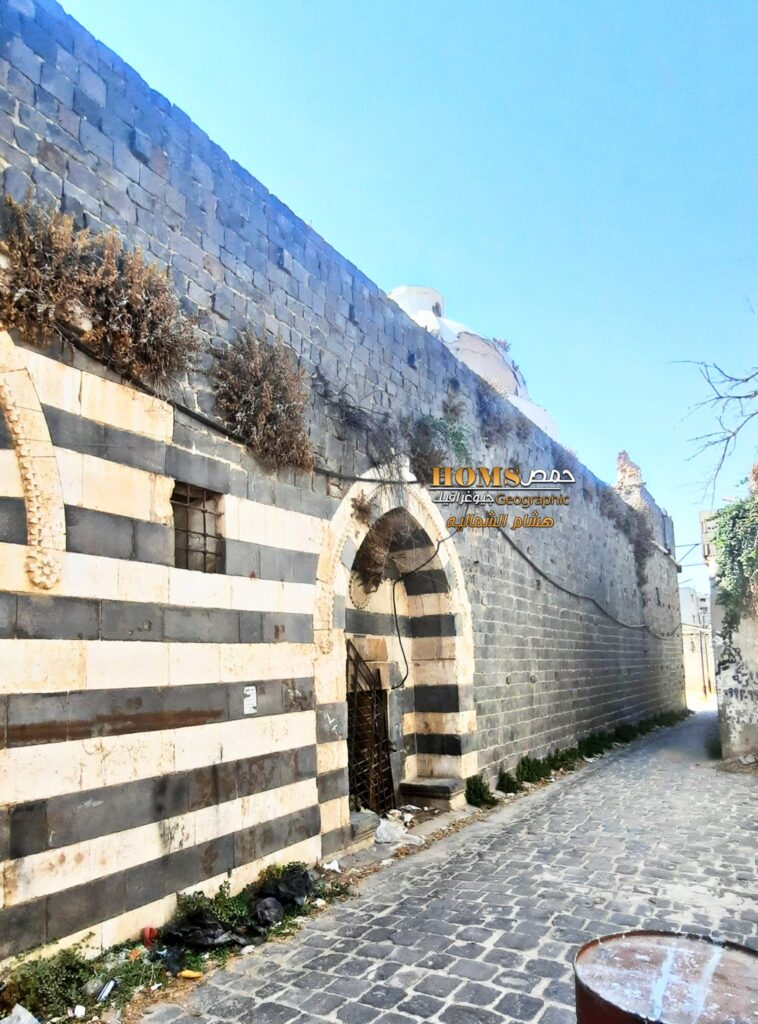
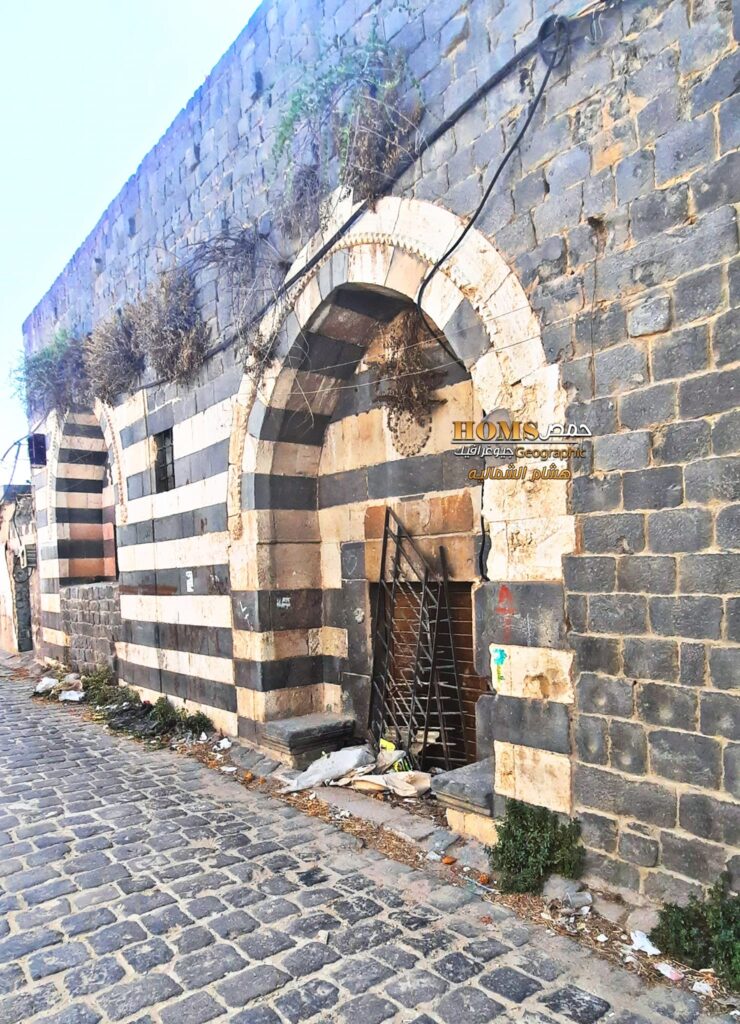

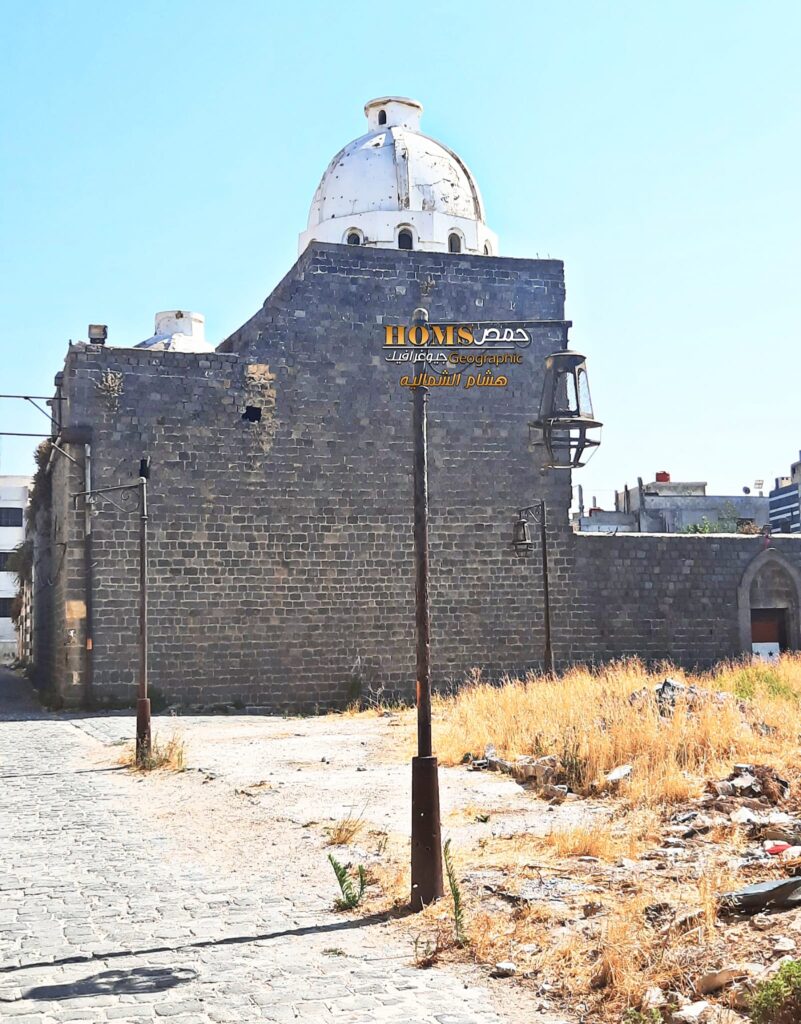
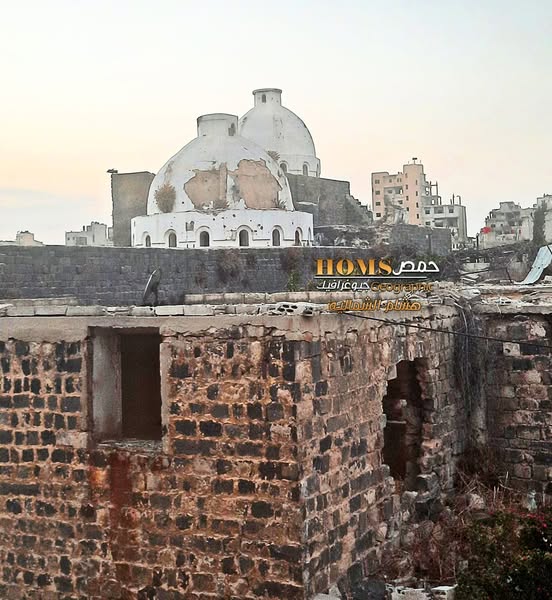


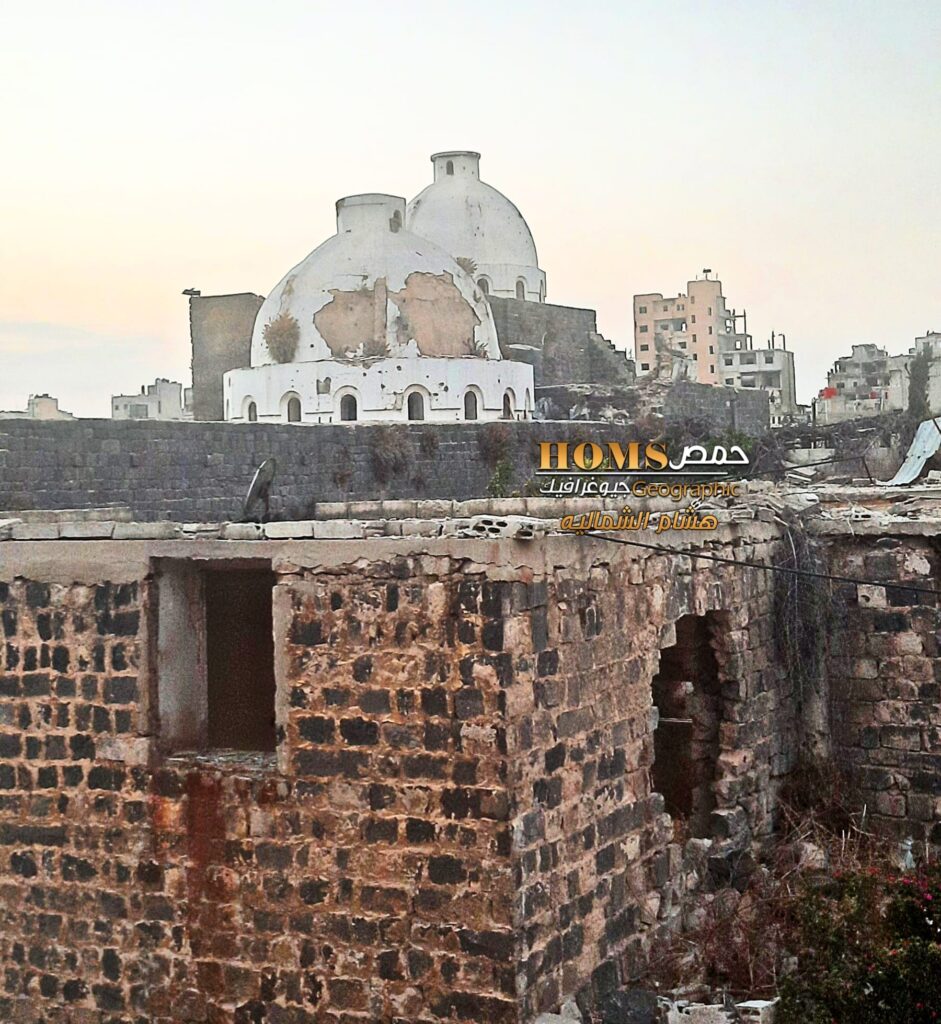
The Mufid al-Amin Palace, located in the Al-Warsha neighborhood within Old Homs, is a prominent historical landmark that reflects the political and social transformations the city has undergone over centuries. Built in the 14th century CE (8th century AH) during the Mamluk era by Prince Shihab al-Din al-Kujaki, it was then known as the Al-Kujaki Saraya. It served a crucial administrative function as the seat of government and judiciary, making it the second governmental palace after the Zahrawi Palace in the city.
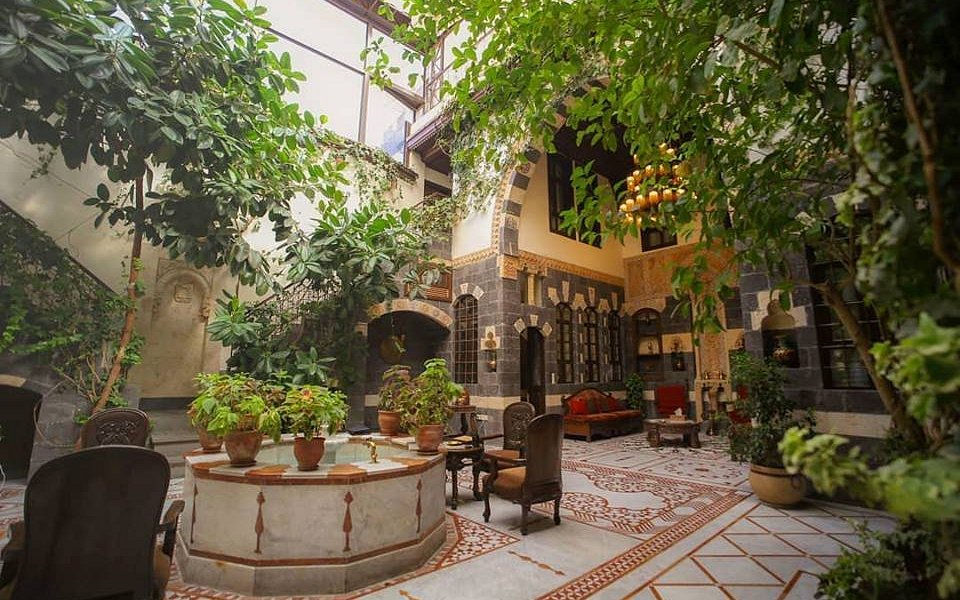
Over time, the palace’s function and names changed. It was later known as the House of Saint Mar Elian of Homs because the saint and his family lived there, giving the site significant Christian religious symbolism. Later, its name changed to the House of the Angel, possibly linked to a spiritual function or a new family ownership. Finally, it became known as the House of Mufid al-Amin, named after one of its modern owners, a name that has endured in contemporary public memory.
These successive transformations reflect the religious and cultural diversity of Homs and highlight the palace’s significance as an urban landmark that has served administrative, religious, and residential roles for over seven centuries. The building was officially listed as a Syrian antiquity in 1967 and later adopted as a heritage documentation center, confirming its symbolic and historical value in the collective memory of the city.