.svg.png)
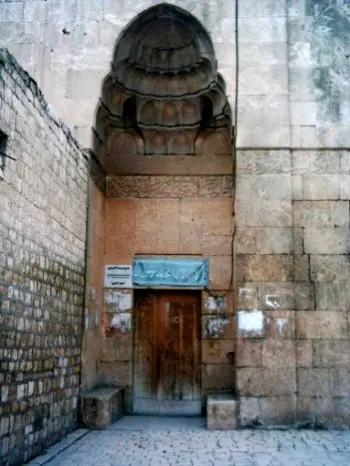
Firdaws School
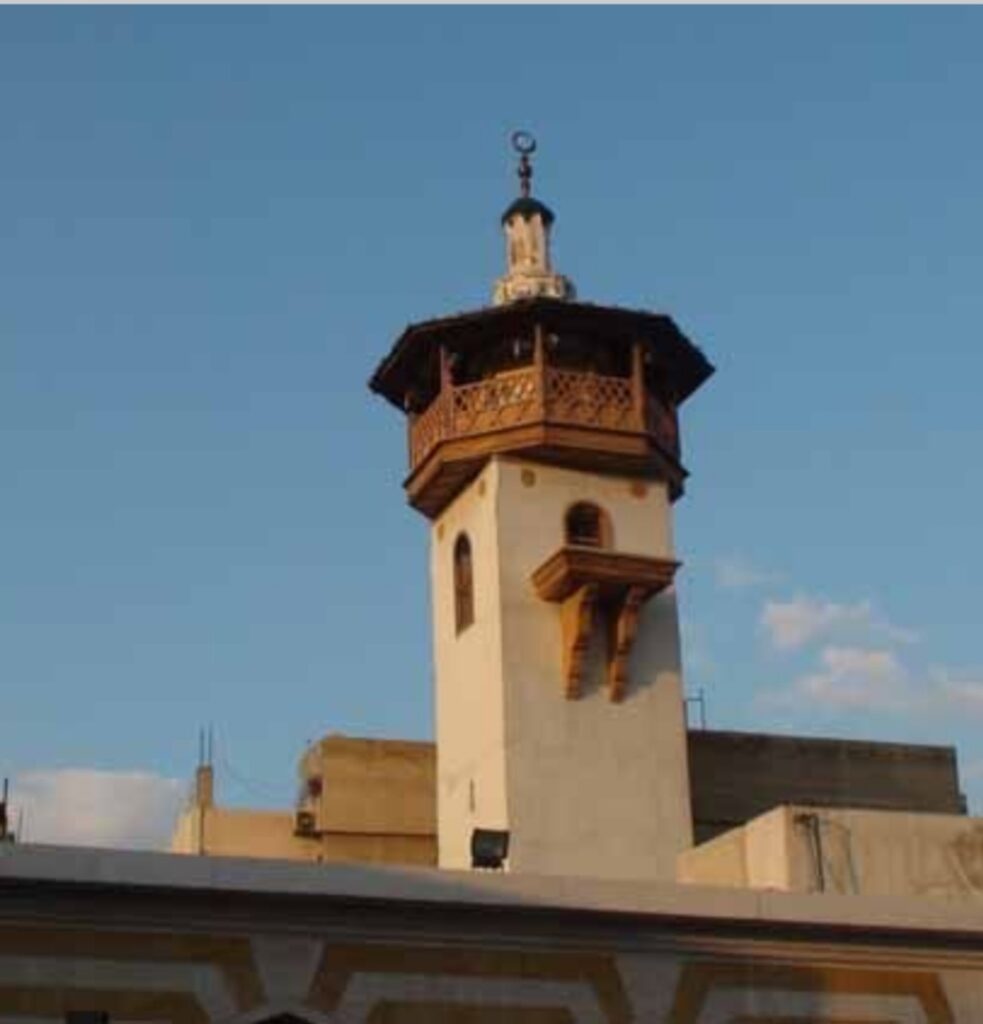
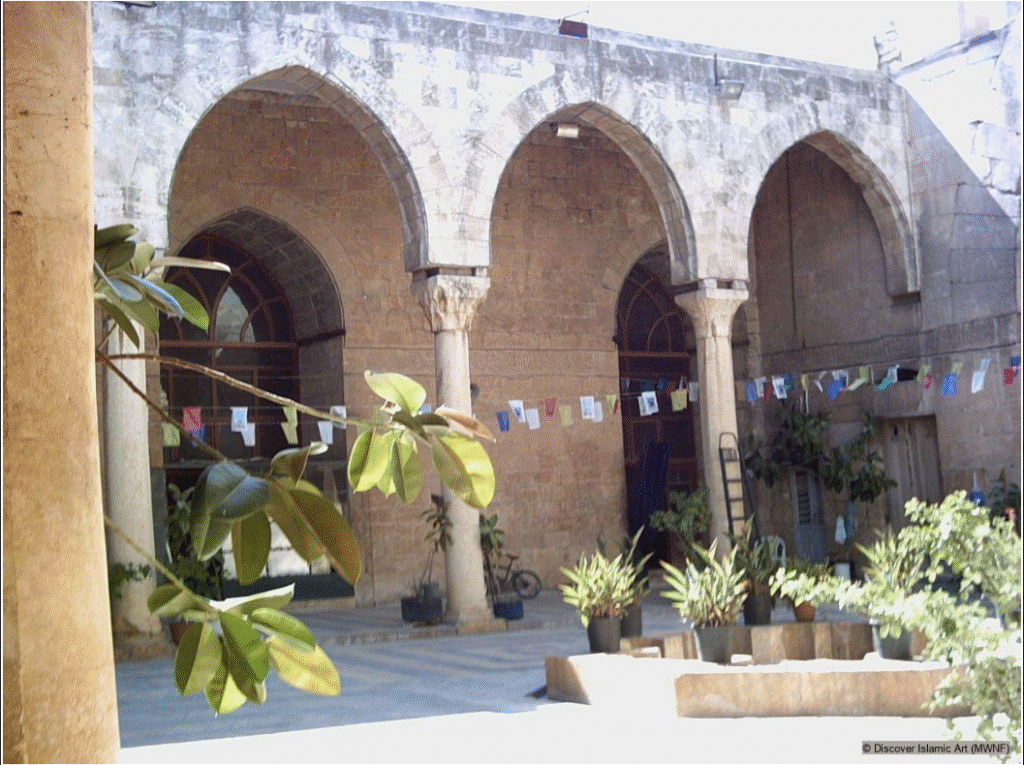
Firdaws School stands as a remarkable architectural masterpiece from the Ayyubid era in Aleppo. It was founded by Queen Dayfa Khatun, wife of King Al-Zahir Ghazi, in 633 AH / 1235 CE. The school boasts a unique design and a rich history, having undergone several restoration processes throughout the centuries.
The School is located in the Firdaws district, south of Aleppo’s Old City walls, the school served multiple functions: it was a school, a mosque, a turba (mausoleum), and a ribat (lodging) for Sufis.
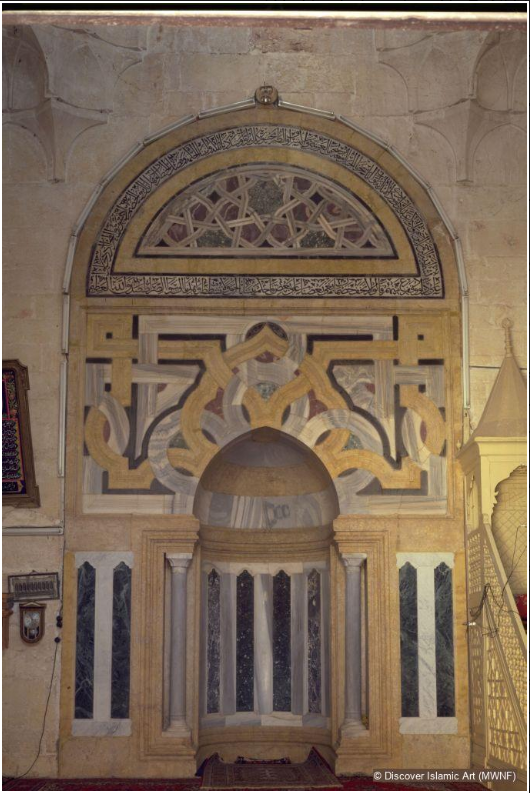
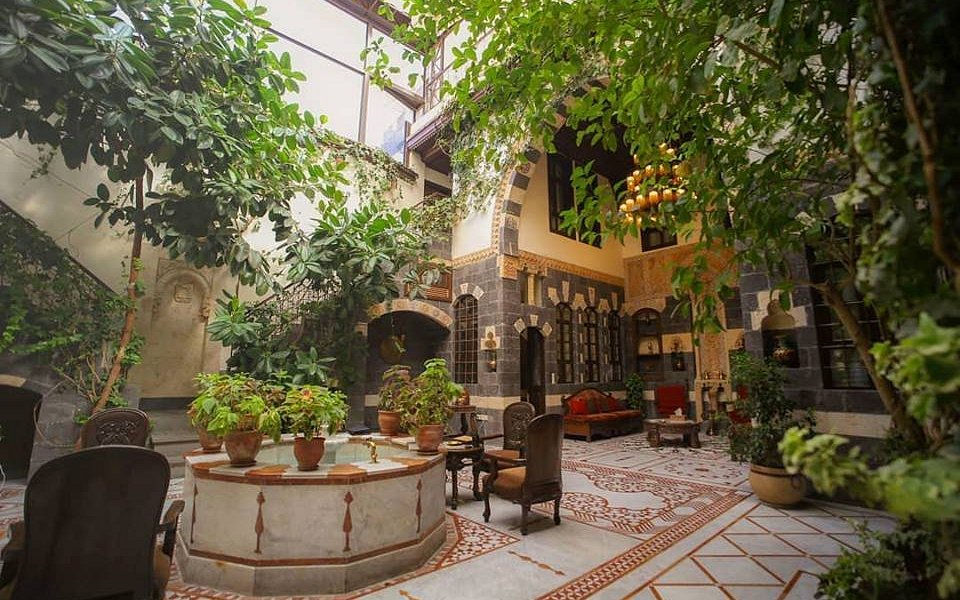
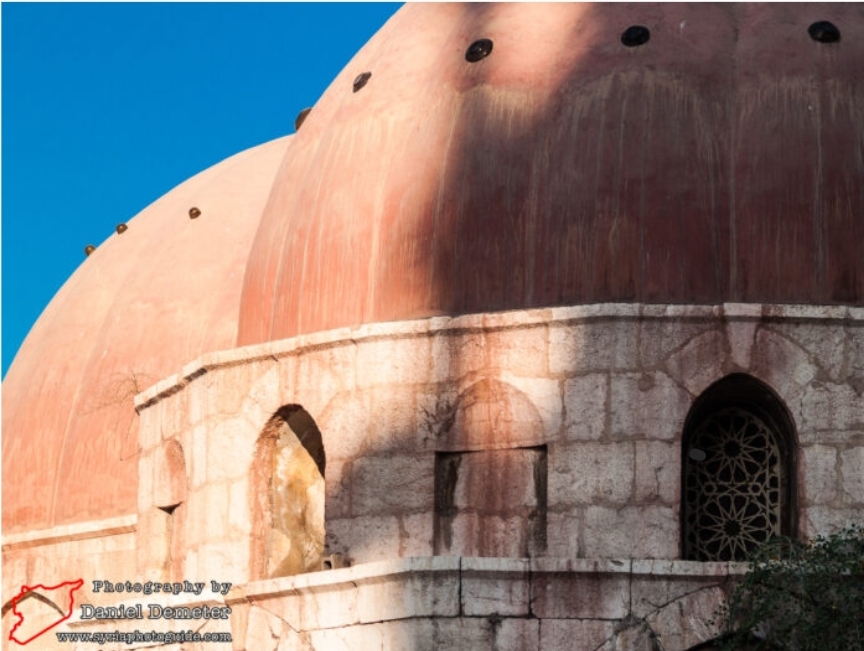
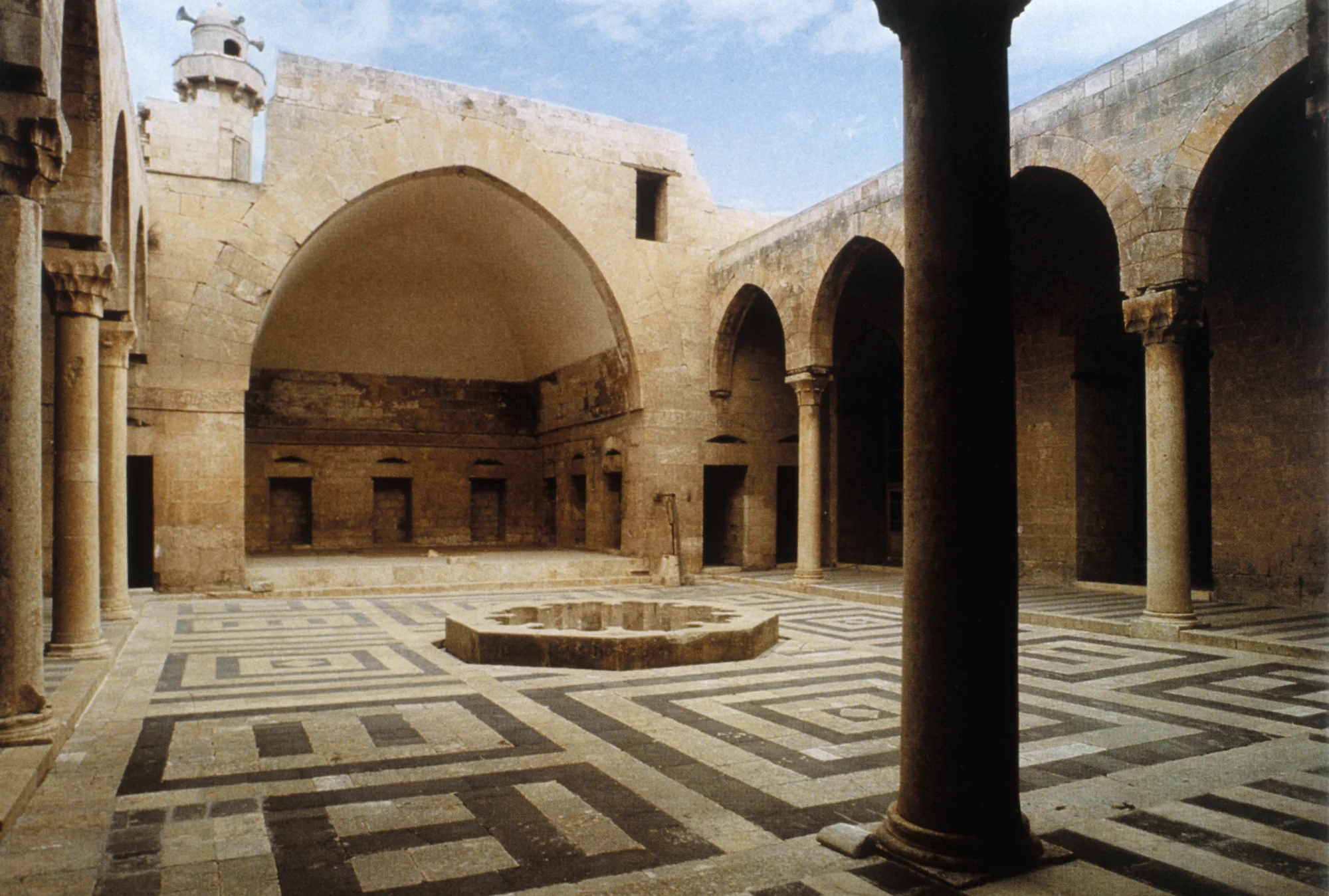
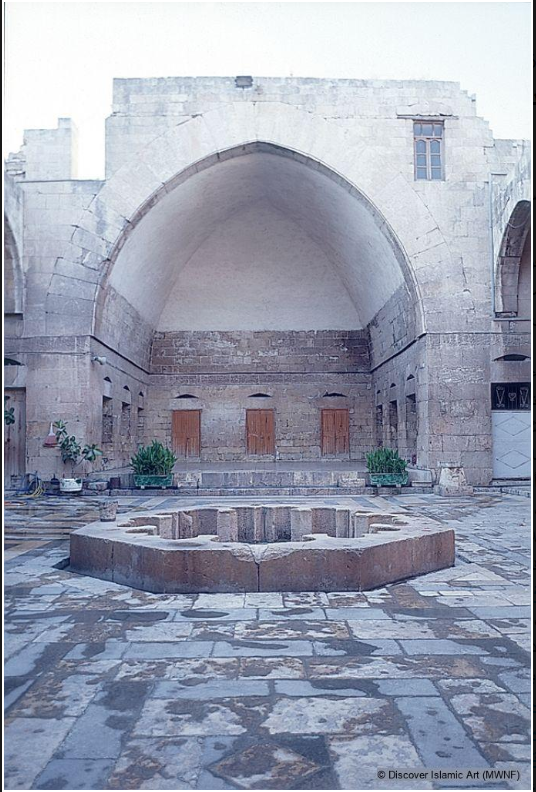
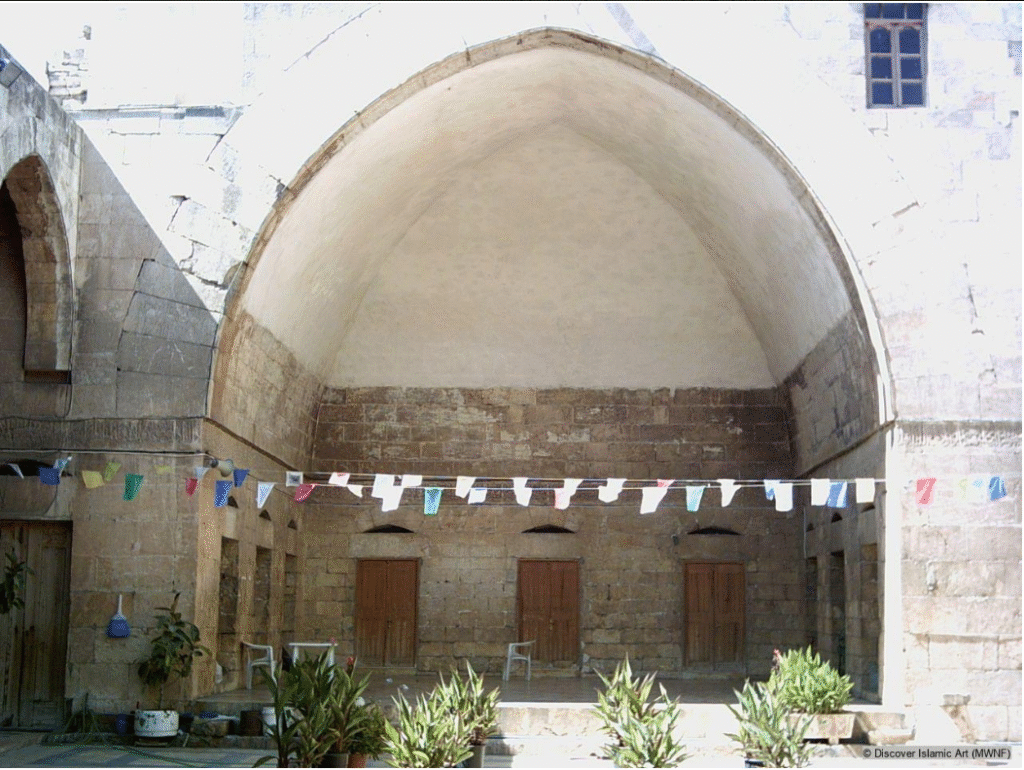
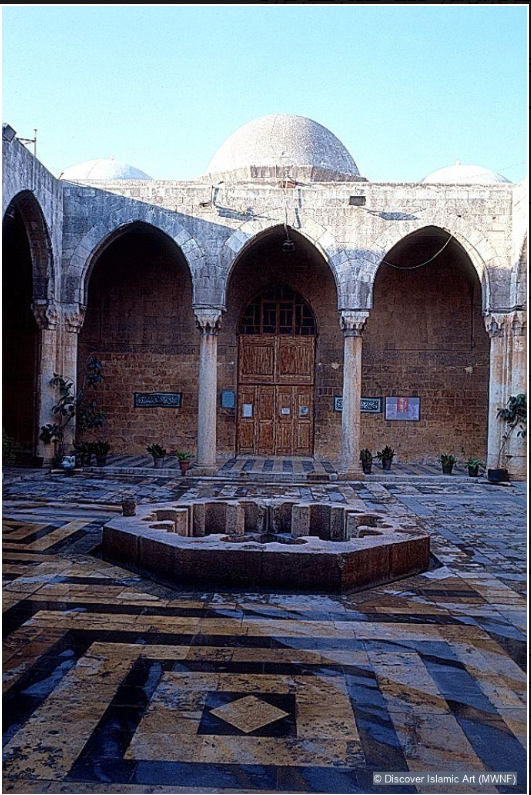
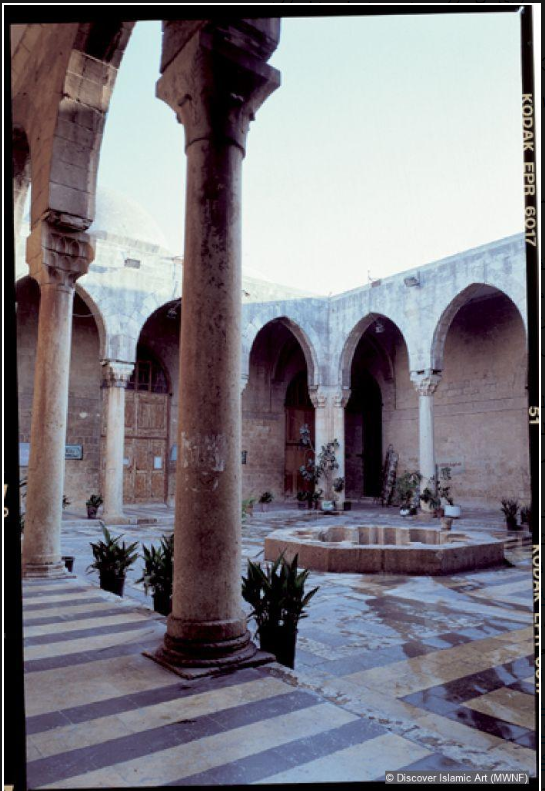
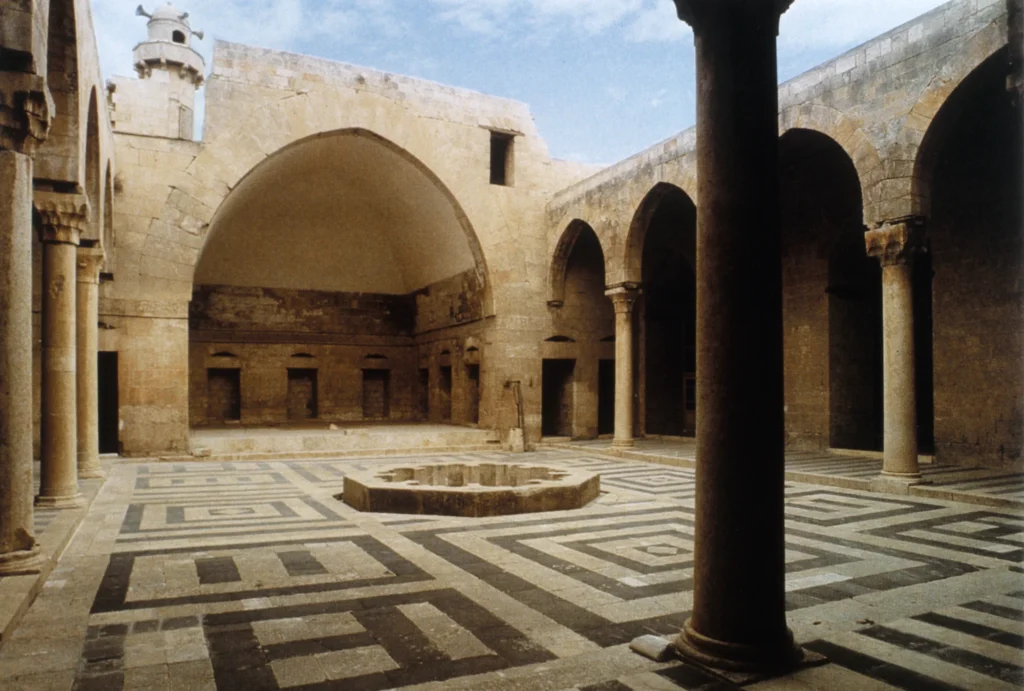
The school’s rectangular layout features a central marble courtyard adorned with ablaq (alternating black and white masonry) and an octagonal basin with a fountain featuring bronze leaf motifs. It also houses a towering northern iwan reaching 18 meters in height, topped by a half-dome ceiling decorated with plaster stars overlaid with vegetal and Kufic designs. The walls are embellished with rows of turquoise-green glazed pottery, outlining Quranic verses that lend a unique spiritual charm.
Throughout its history, Firdaws School produced prominent jurists such as Ibn Rakwa and Ibn al-Shihna. However, it suffered neglect during the Ottoman era until its restoration in 1974, funded jointly by Syria and Italy. During this project, missing tiles were meticulously reinstalled stone by stone.
During the 2012 conflict, the school served as a shelter for civilians, its thick walls providing crucial protection. In 2021, it reopened as a center for the revival of Arabic calligraphy, offering daily courses in Thuluth and Naskh scripts, thereby bringing the breath of letters and their historical splendor back to these ancient walls.