
.svg.png)
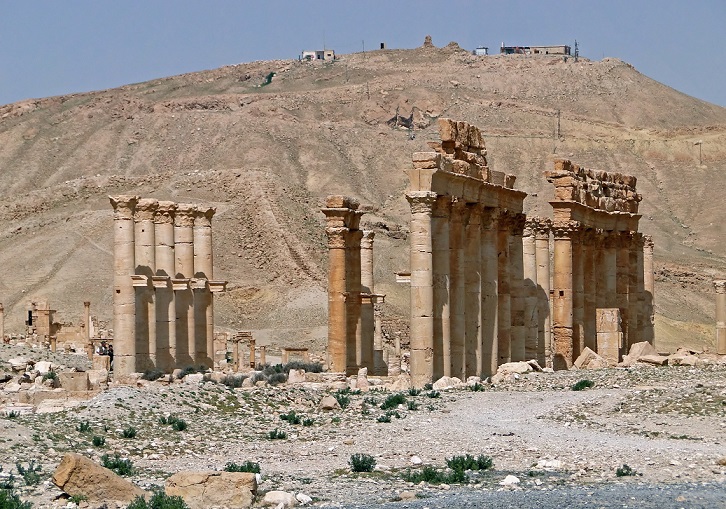
Preserved
The Diocletian Camp
Founded by the First Illyrian Legion (Legio I Illyricorum), the camp served as a garrison to protect trade routes. The rectangular castra plan is surrounded by rectangular towers, and its
Founded by the First Illyrian Legion (Legio I Illyricorum), the camp served as a garrison to protect trade routes. The rectangular castra plan is surrounded by rectangular towers, and its

The Temple of Baalshamin was built in 131 CE in honor of the Canaanite storm god, “Lord of the Heavens.” It consists of a square sanctuary preceded by a portico

Dominating the architectural scene of the Palmyrene oasis, the Temple of Bel, whose construction began in 32 AD and was completed in the 2nd century, featured a monumental Corinthian façade
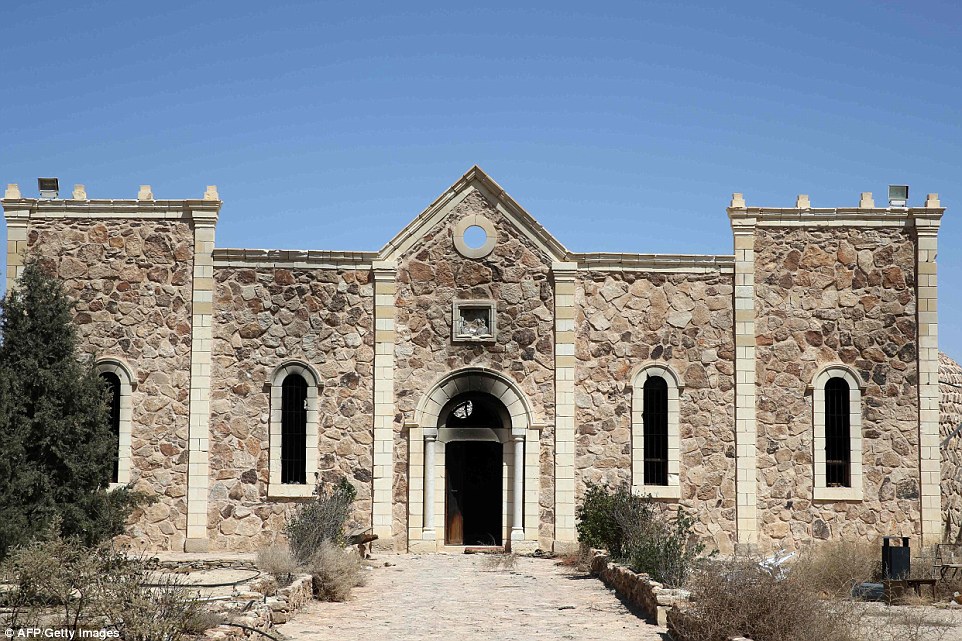
The monastery was founded in the 5th century as a complex of caves around the tomb of the physician Saint Elian, and it expanded to become a Byzantine pilgrimage center.
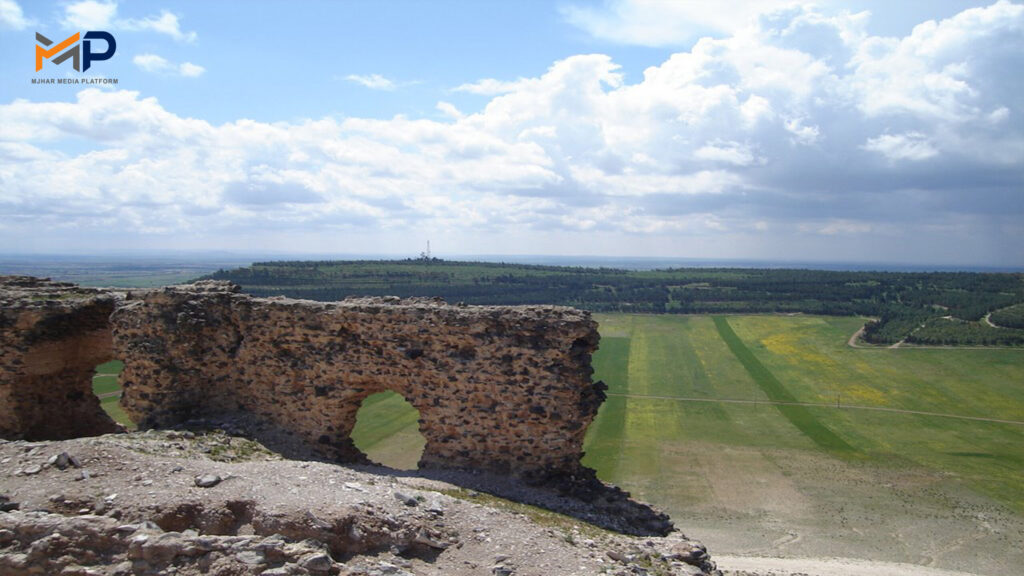
Shememis Castle was built by order of King al-Ashraf Musa in 1229 CE on a conical dormant volcano, rising 150 meters above the surrounding plain. The design consists of a
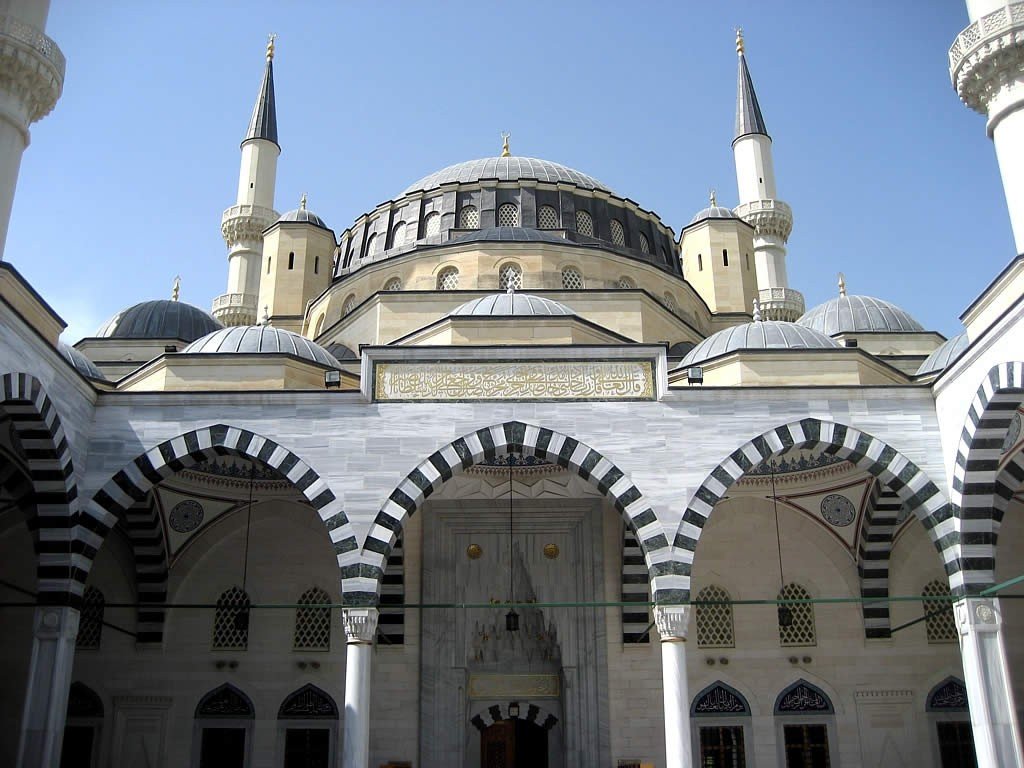
The Khalid ibn al-Walid Mosque is the most famous landmark in Homs and an icon of late Ottoman architecture in inner Syria. It was built over the tomb of Khalid
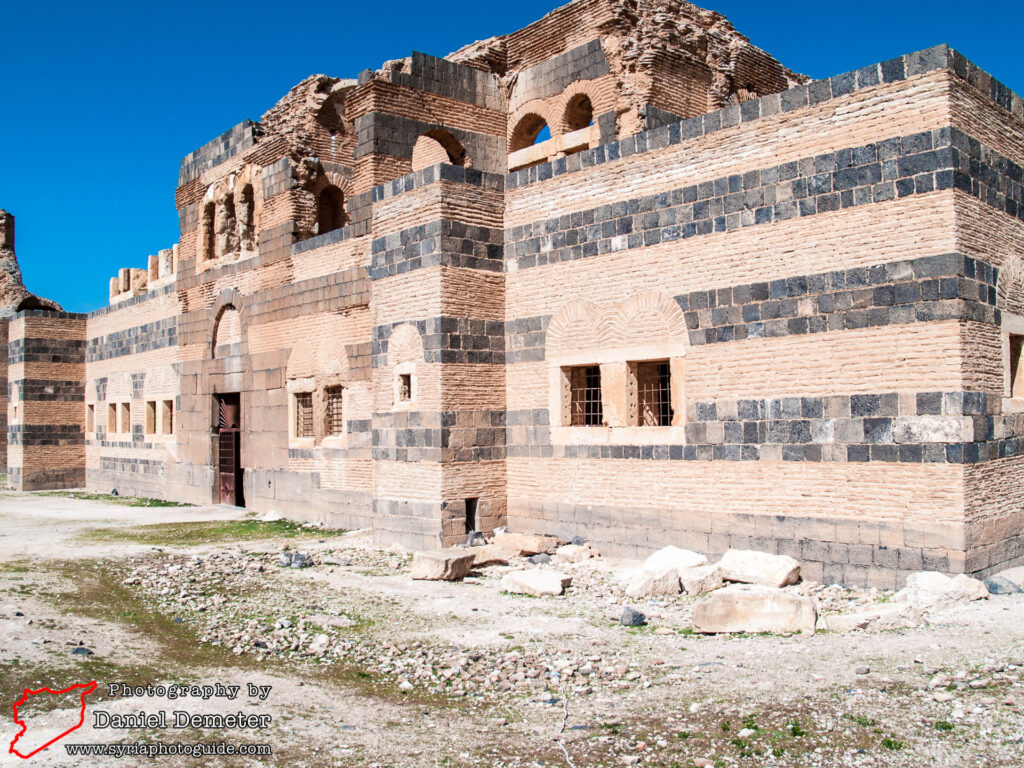
The Qasr ibn Wardan was built during the reign of Emperor Justinian in 564 CE on the edge of the desert as part of a fortification system similar to the
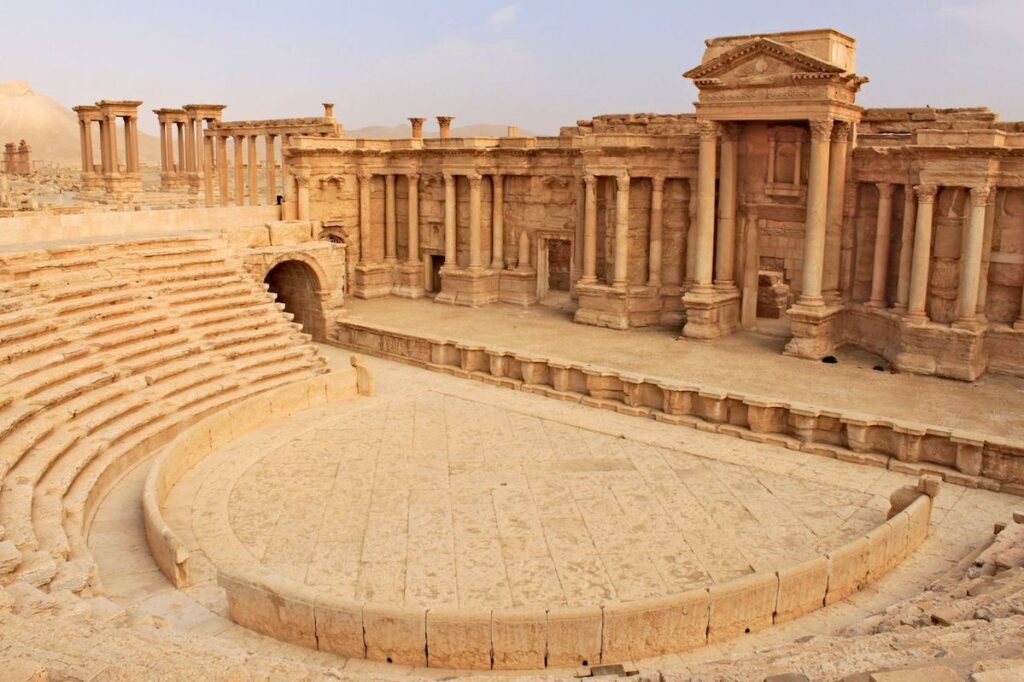
The Palmyra Theater is aligned on an east-west axis within the city’s main cardo. Construction began in the early 2nd century during the reign of Trajan and was completed in
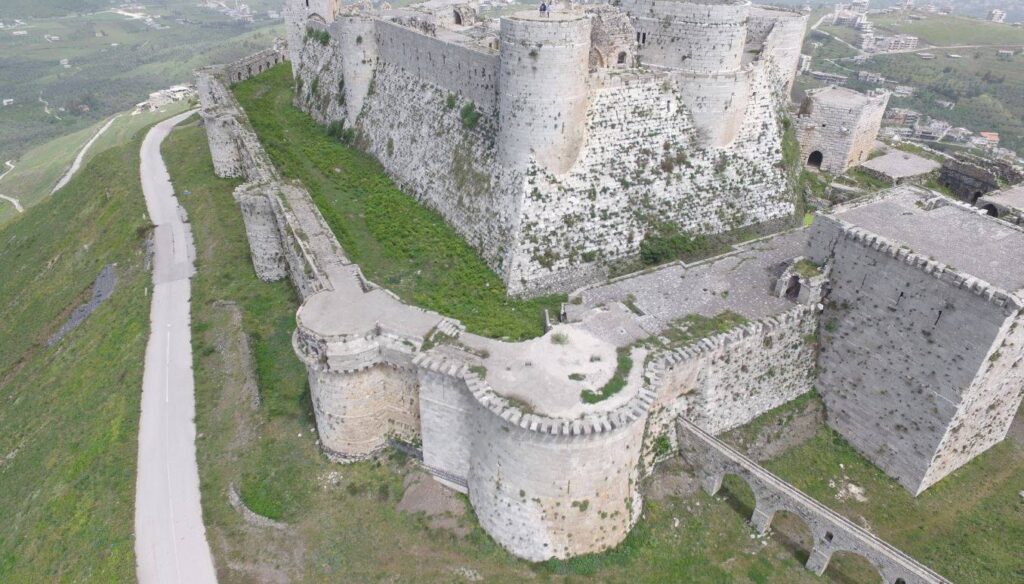
Perched on a volcanic hill overlooking the Homs coastal passage, Krak des Chevaliers was first built by the Knights Hospitaller starting in 1142 CE, becoming the most powerful Crusader fortress

Its name, “House of the Nail” (Bayt al-Bismar), refers to the use of wooden nails to secure some of the structural or decorative elements, a technique that was common in