.svg.png)
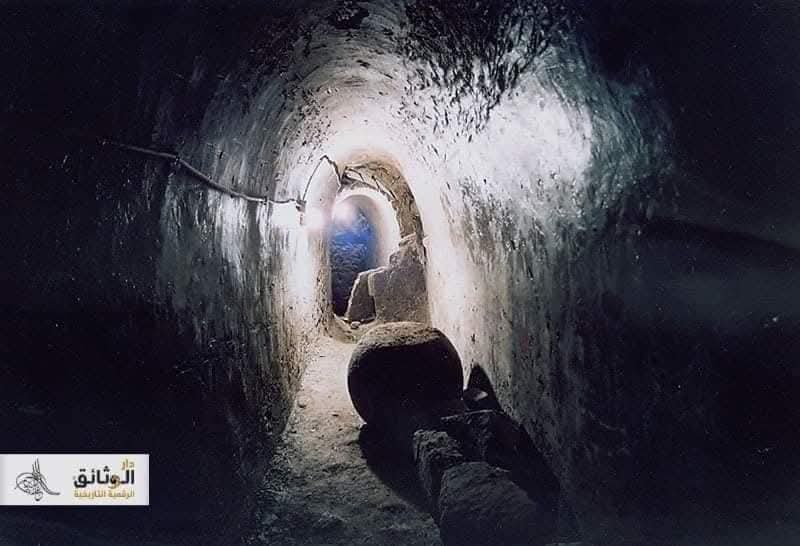
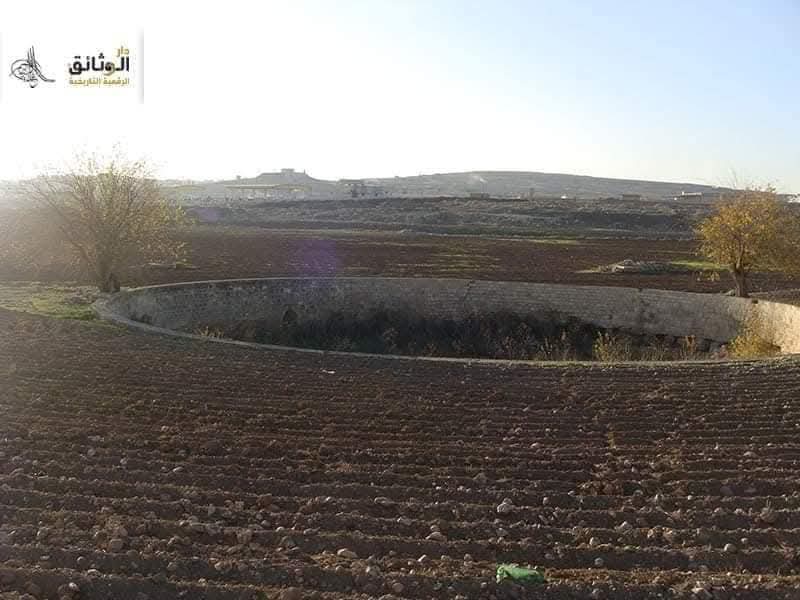
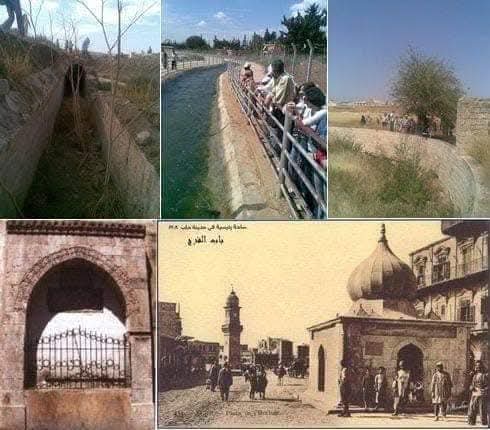
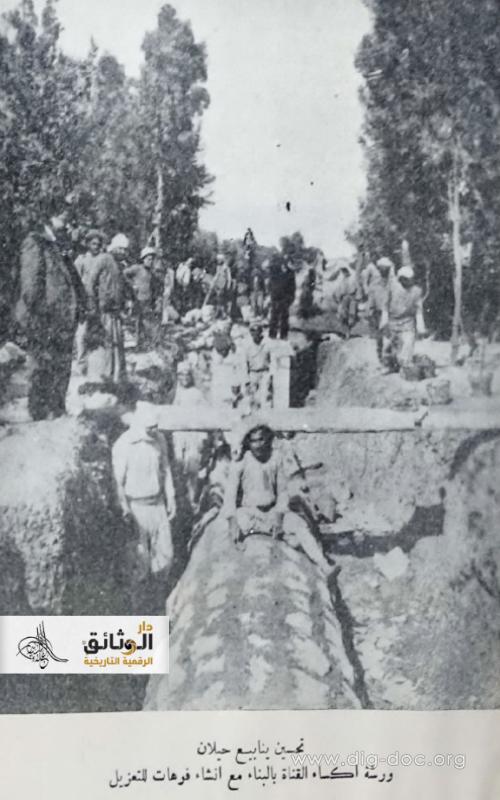
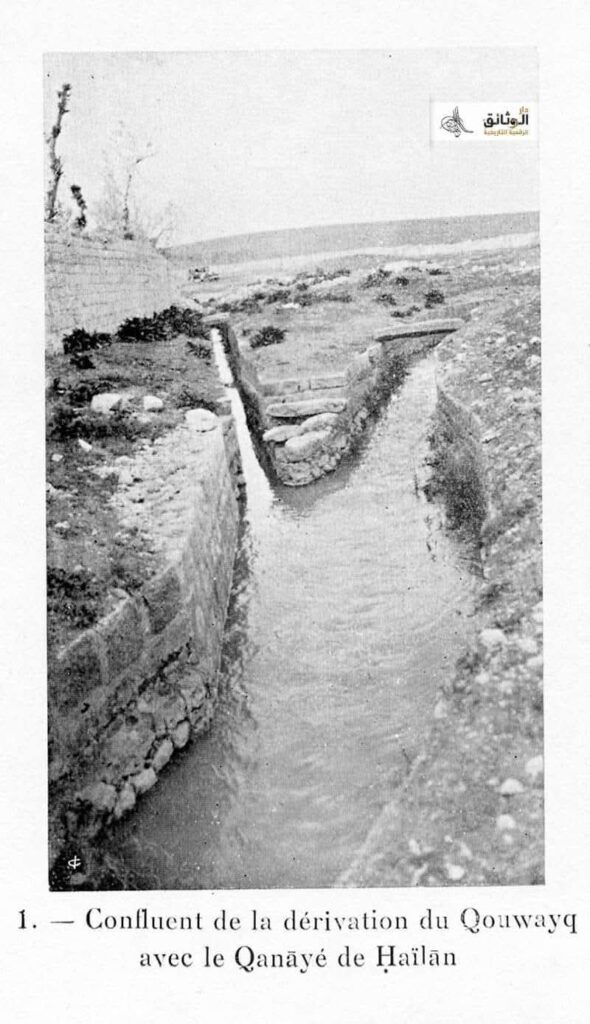
The Roman aqueduct is one of the city of Aleppo’s oldest and most important water installations, and is a key piece of historical evidence of the development of irrigation and water distribution systems in the city since ancient times. It is believed that the canal predates the Islamic era and possibly dates back to Assyrian times, or even the third millennium BC. It transported water from the Hailan springs, located north of Aleppo, to the city via a network of underground and above-ground canals. During the Ayyubid era, in 1208 AD, King al-Zahir Ghiyath al-Din Ghazi ordered repairs to the canal after it was blocked by landslides and the springs dried up. The distance from Hailan to Aleppo was divided into several sections, each of which was assigned to a prince, along with craftsmen and labourers. The canal was rehabilitated within 58 days. The canal consists of three six-metre-high stone arches, which still stand today, as well as a lead-covered canal to prevent evaporation. Today, parts of the canal still exist, but some sections are dilapidated.