.svg.png)
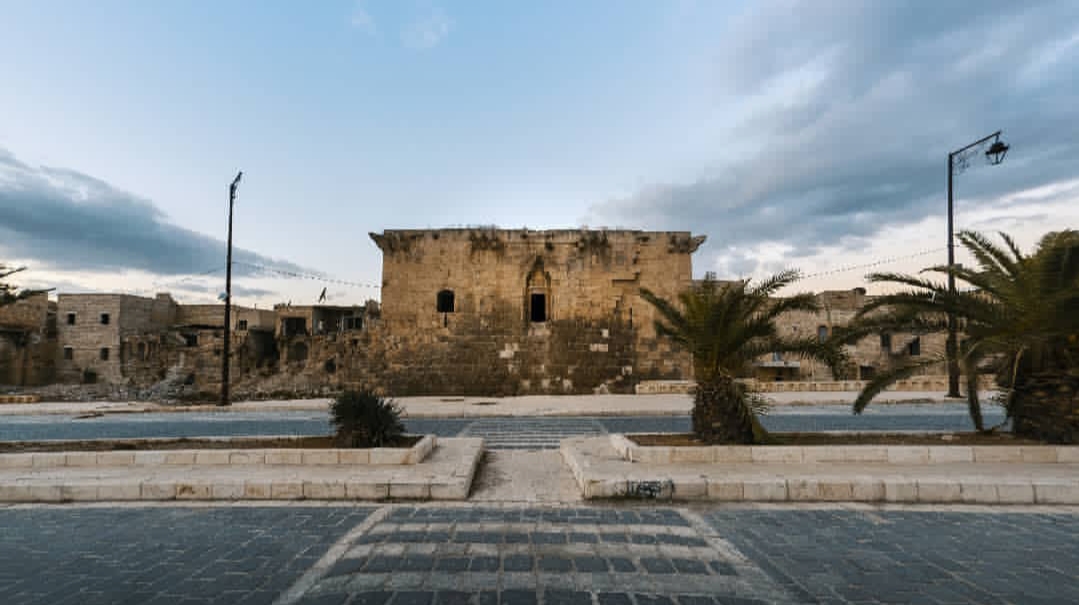
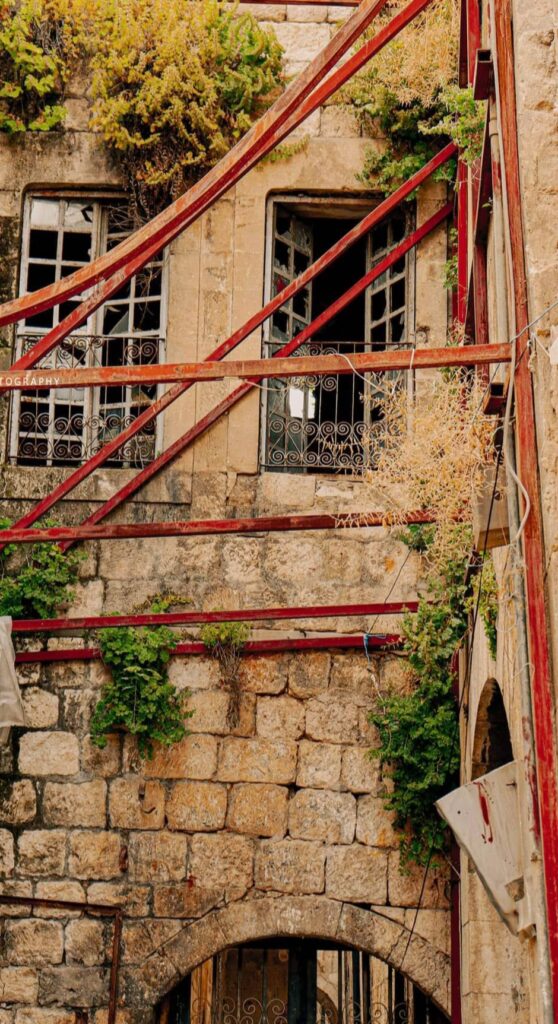
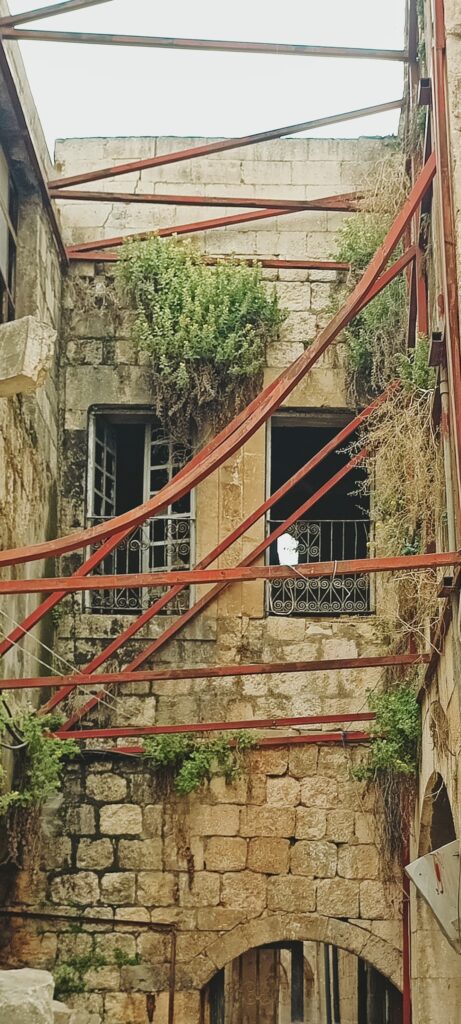
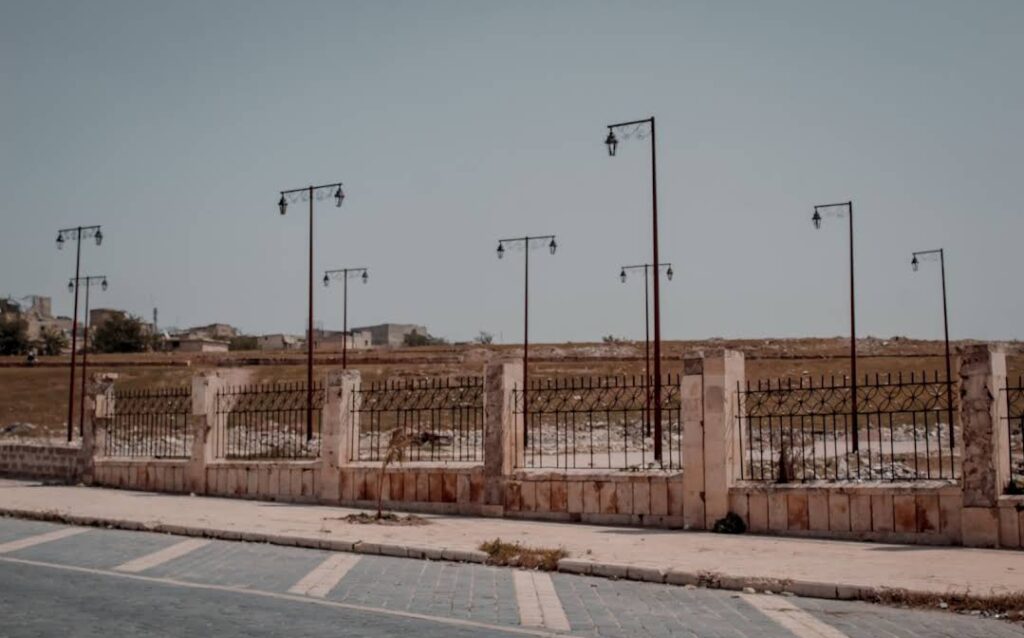
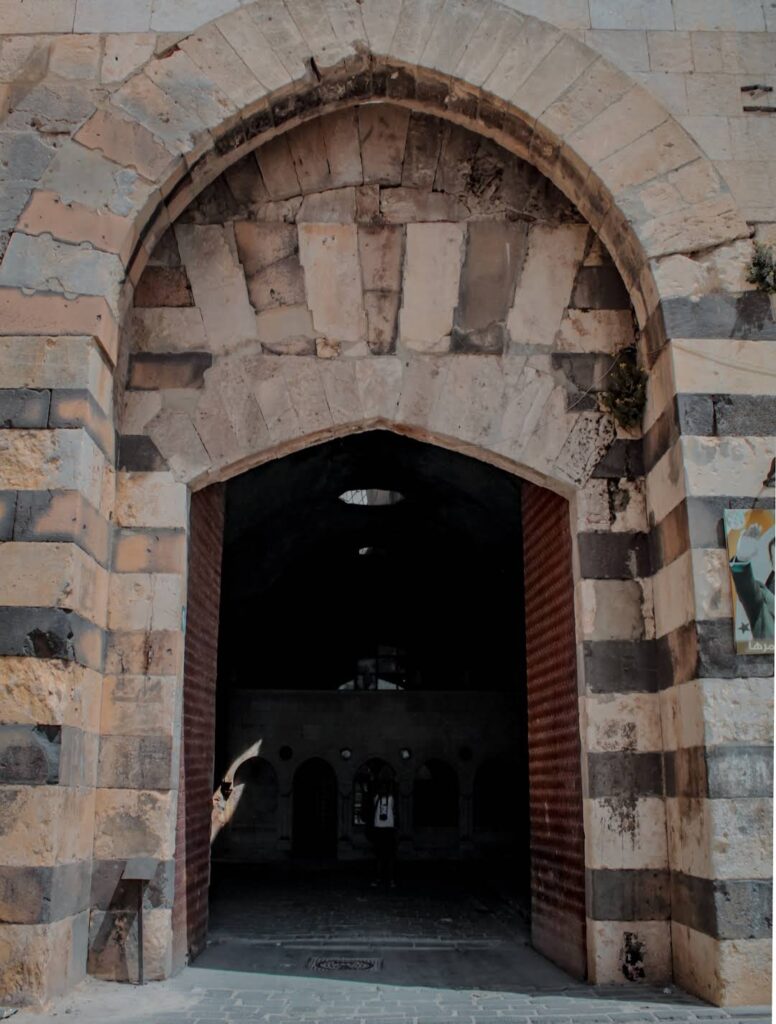
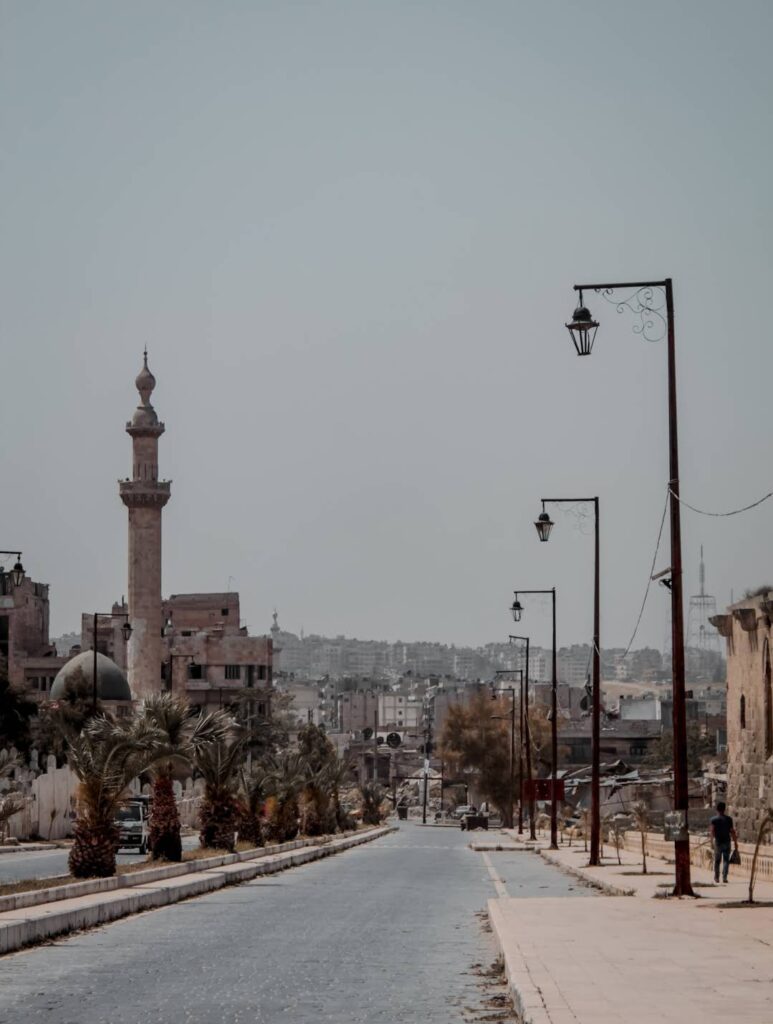
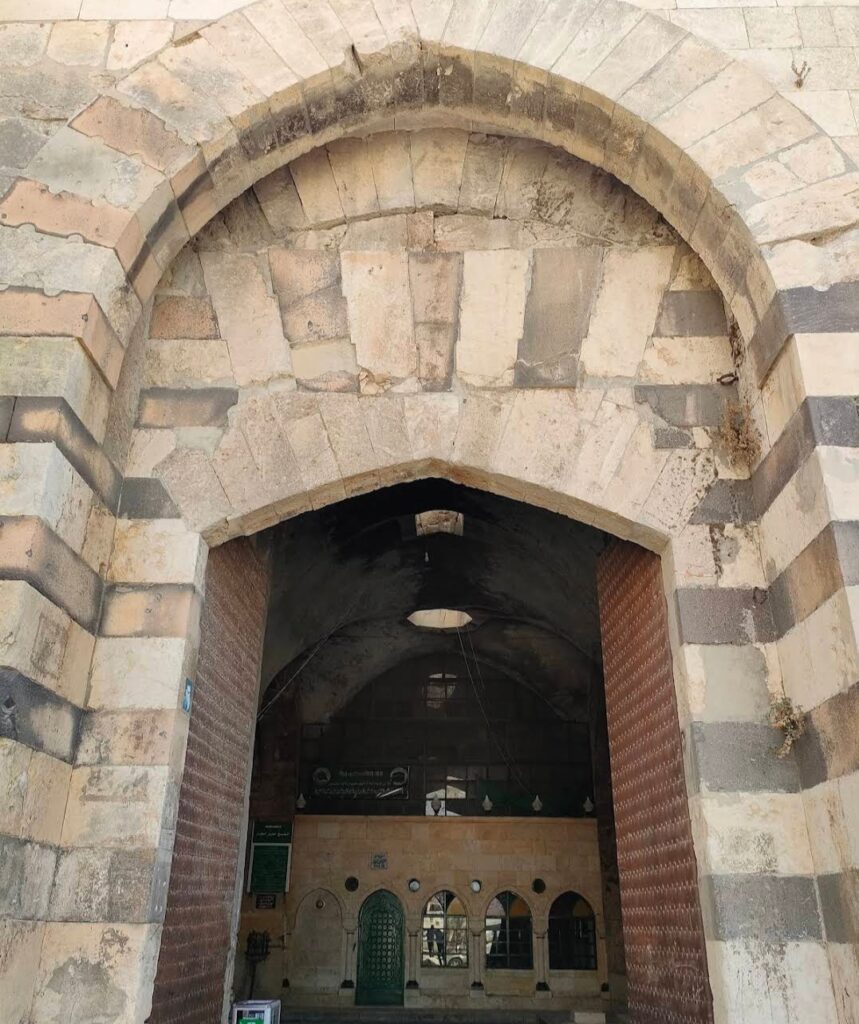
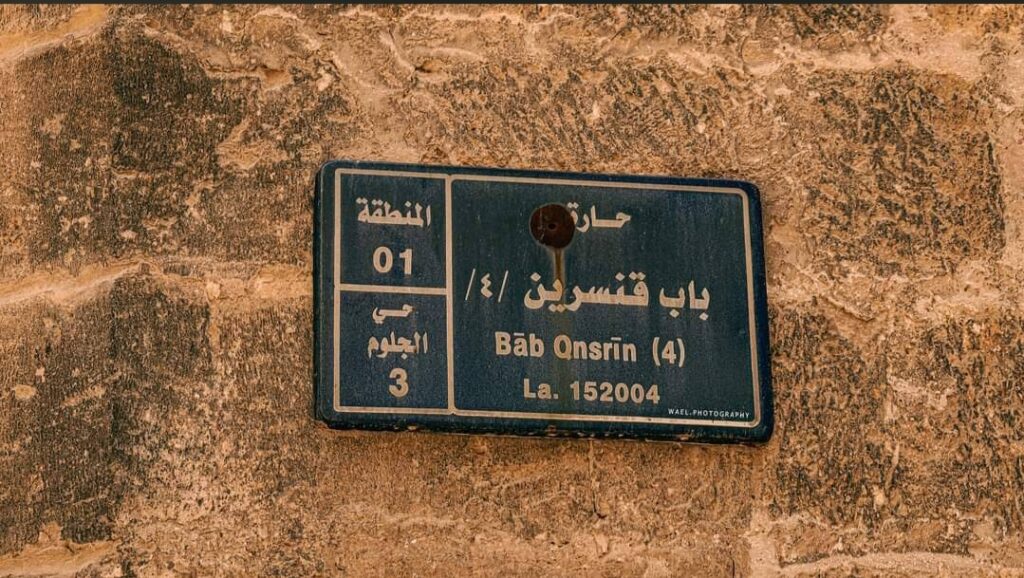
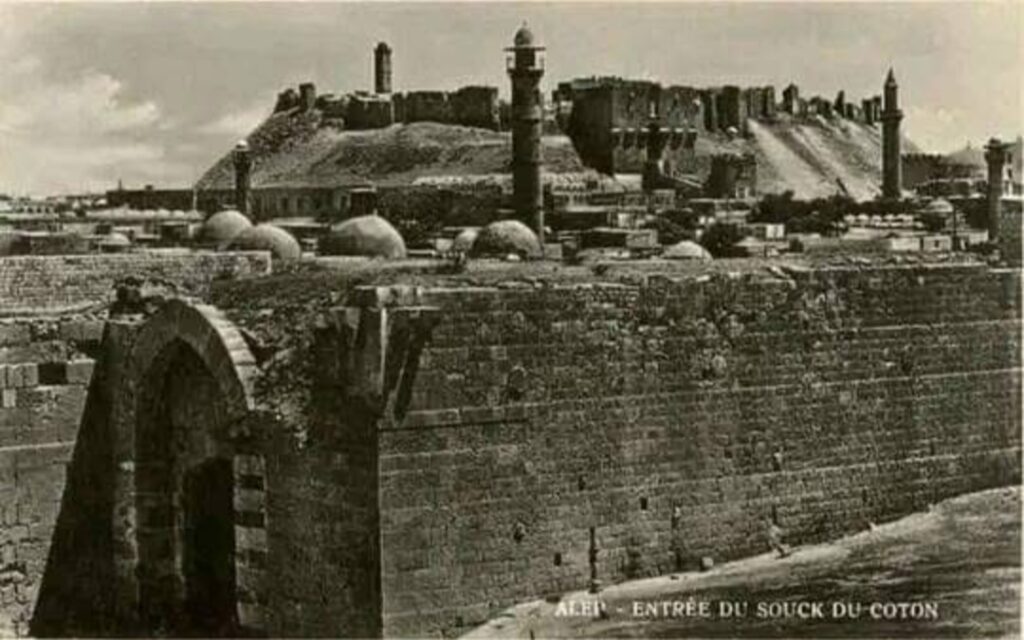
Al-Otrush Mosque is situated in the A’ajim district, south of the Citadel of Aleppo, near Al-Sultaniyah Al-Dhahiriyah Madrasa, in an area rich in historical landmarks. Construction of the mosque began in 801 AH / 1399 CE, commissioned by the Mamluk Emir Aqbugha al-Otrush, the Sultanate’s deputy in Aleppo. However, he passed away before its completion, and his successor, Damurdash al-Nasiri, completed the construction in 812 AH / 1410 CE.
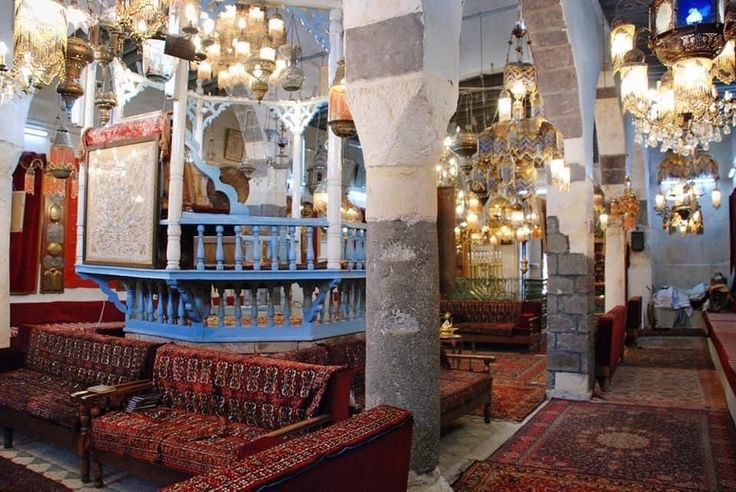
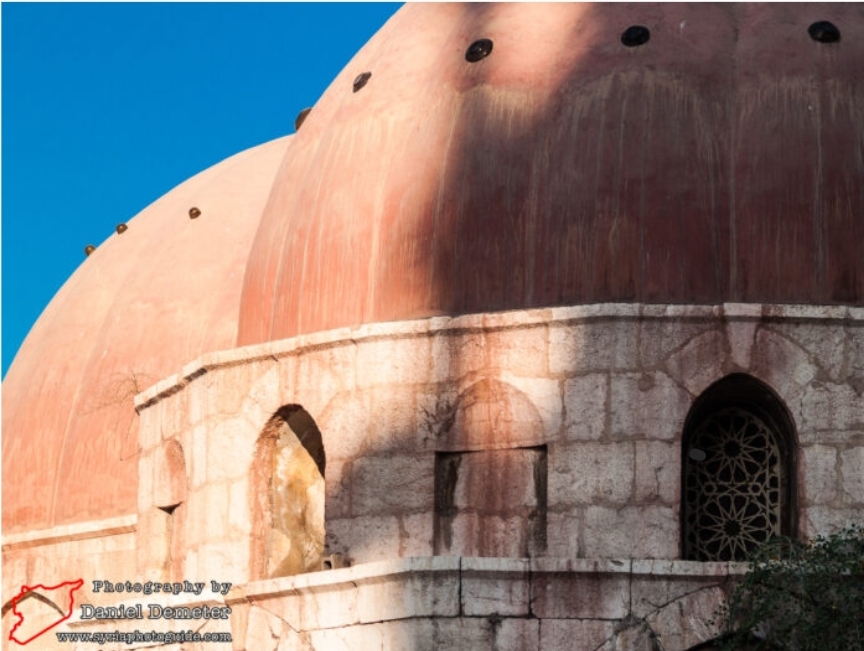
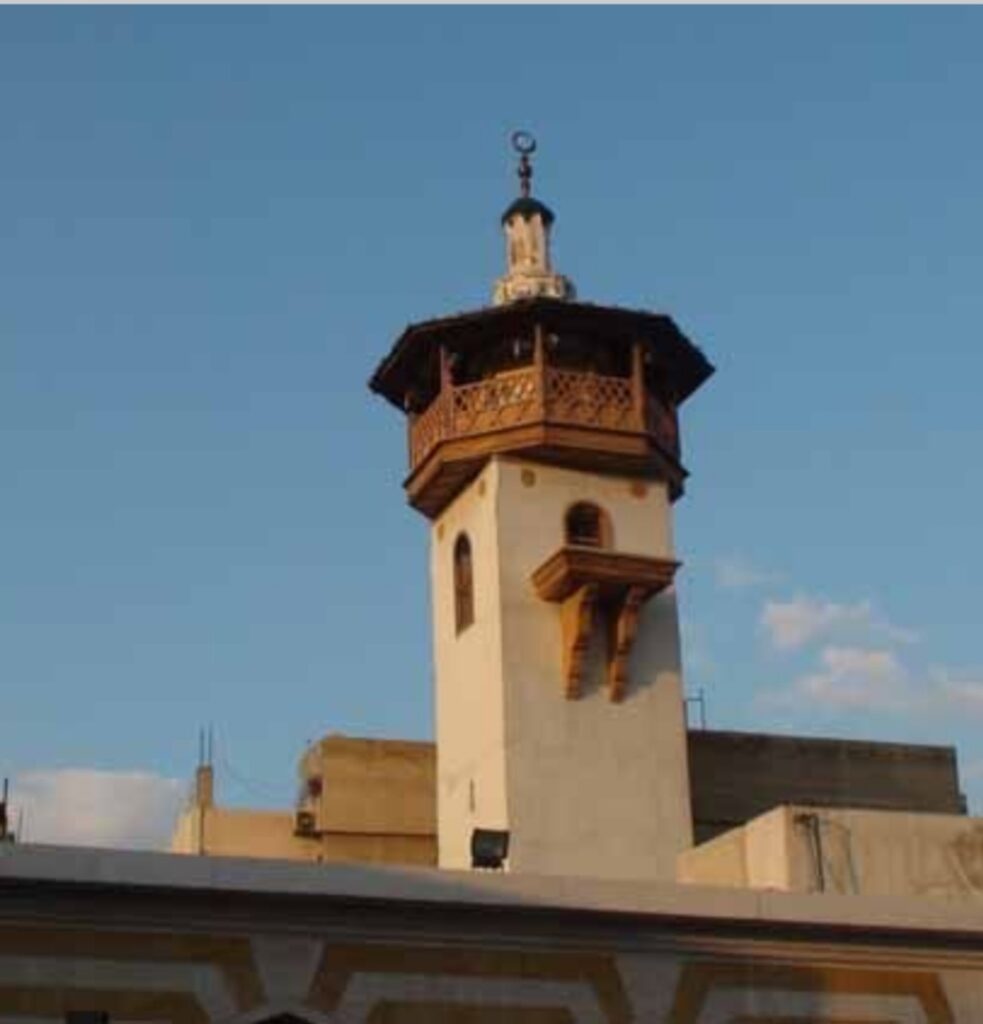
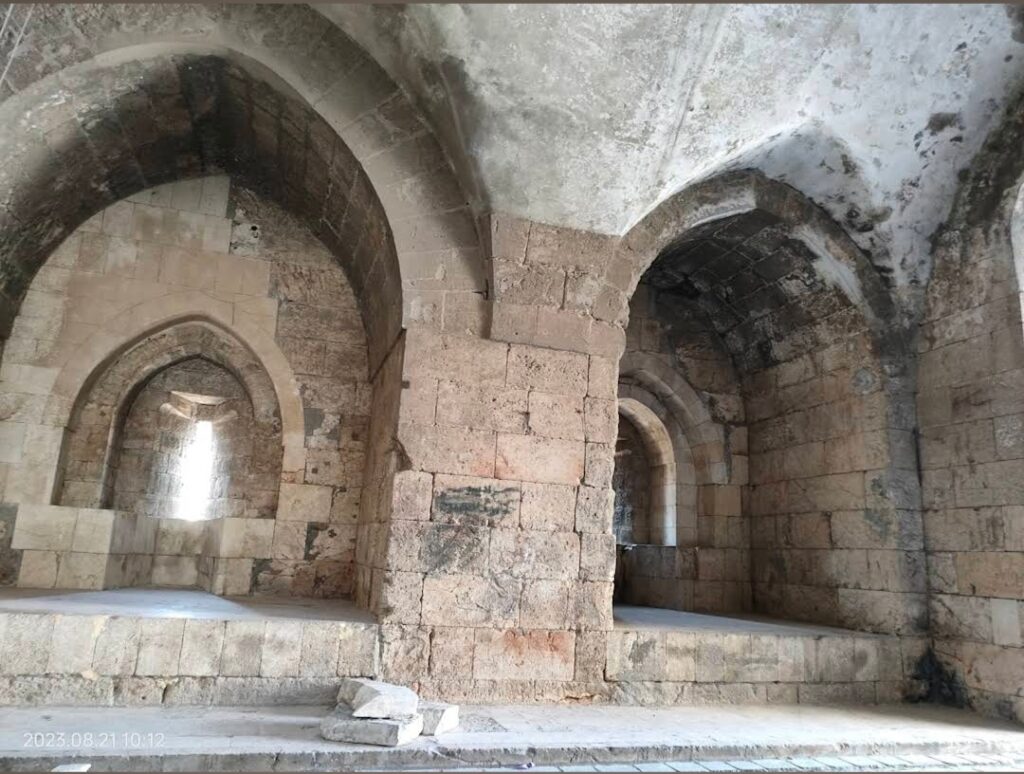
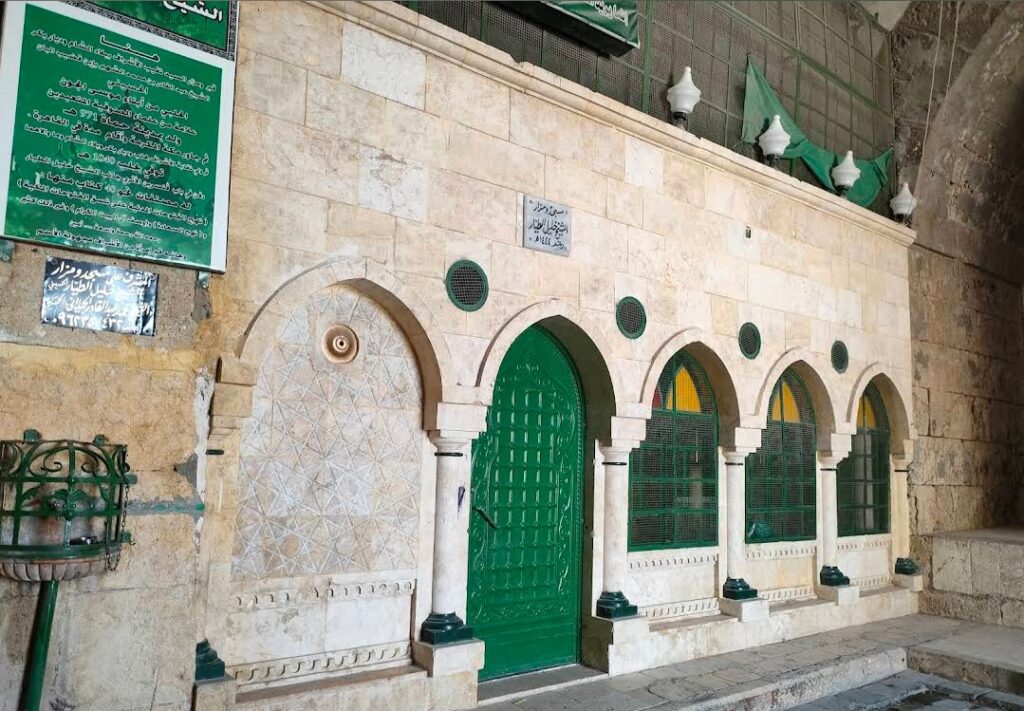
The mosque is distinguished by its ornate western façade, featuring a raised entrance adorned with traditional Islamic muqarnas decorations. To the left of the main entrance stands the minaret, notable for its octagonal shape and two balconies—a rare design in Aleppo. The mosque’s prayer hall is divided into five domed sections supported by four large columns. Additionally, there is a shrine covered by a stone dome decorated with muqarnas, believed to be the burial place of Aqbugha al-Otrush.
The mosque underwent restoration in 1921 after being damaged by an earthquake in 1882. During the Syrian conflict, specifically in 2014, the upper sections of the minaret suffered severe damage, but they were later rebuilt while preserving the original architectural design.
Al-Otrush Mosque is considered one of the finest examples of Mamluk architecture in Aleppo and was the first mosque completed after the Mongol attack on the city in 1400 CE. It was inscribed on the UNESCO World Heritage List in 1986 as part of the Ancient City of Aleppo.