.svg.png)



Tal-al-Nairab
1st Millennium BCE
Aramean Center Famous for the Nairab Funerary Tablets
Basalt Tablets, Earthen Wall, Irrigation Channel
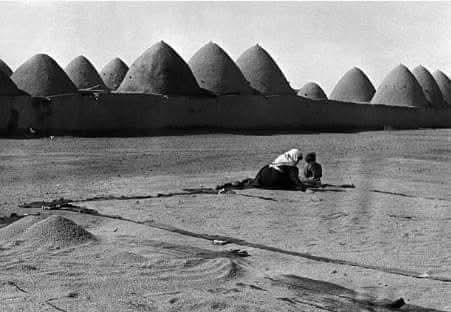
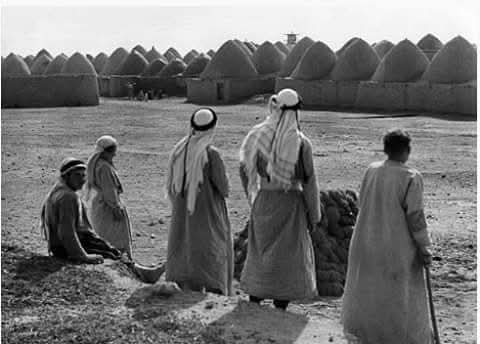
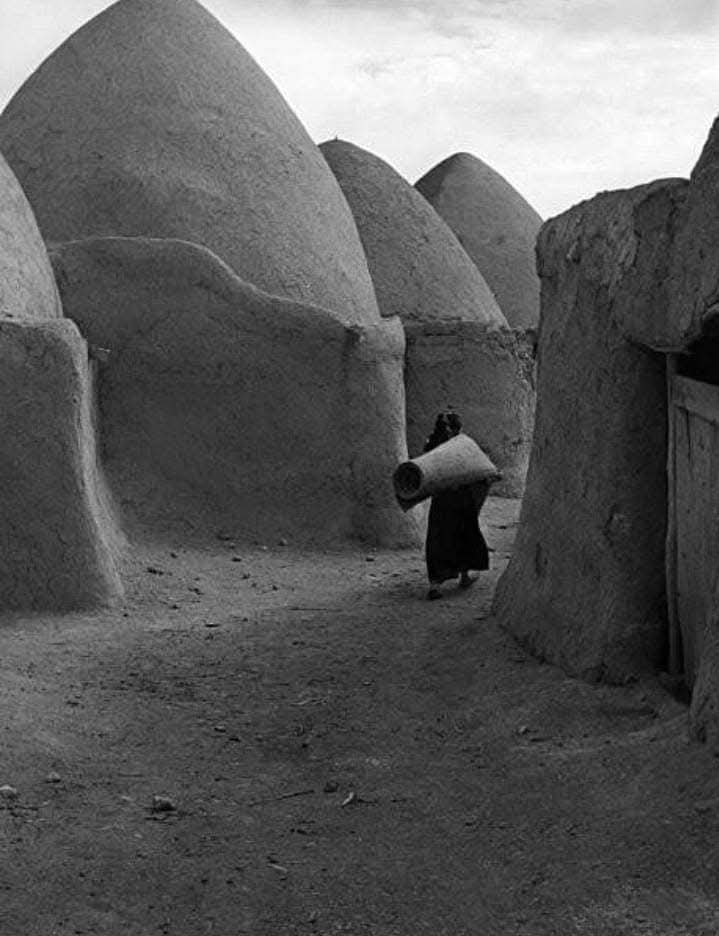
Tal-al-Nairab is an archaeological site located to the east of the city of Aleppo, and it is considered one of the most significant sites that reflect the history of the region in ancient times.
In 1891, two basalt tablets inscribed with cuneiform writing were discovered, attributed to Nairbu, a priest of the god Nergal. These tablets are currently housed in the Louvre Museum in Paris.
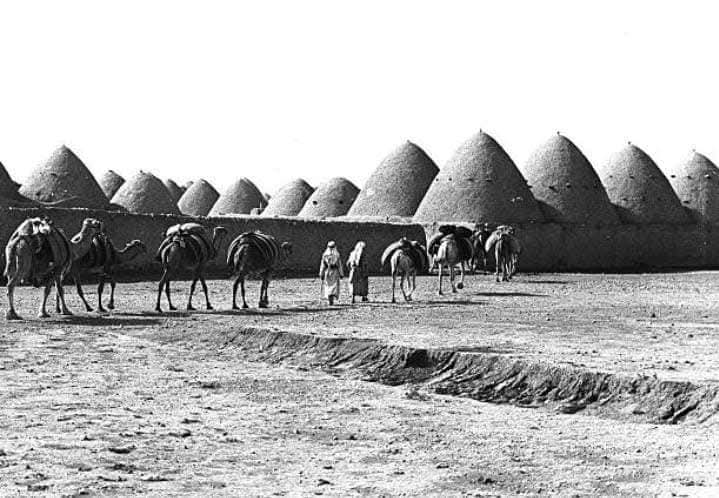
Excavations at Tal-al-Nairab revealed an earthen wall with a sloping gateway, as well as remnants of an irrigation channel, indicating that the area was cultivated with legumes in ancient times. This agricultural practice reflects the presence of advanced civilizations during that era.
The site is currently undergoing magnetic surveying to pinpoint the location of the priestly palace, and there are plans to replicate the basalt tablets using 3D printing techniques for display in the Aleppo Museum.