.svg.png)
Preserved
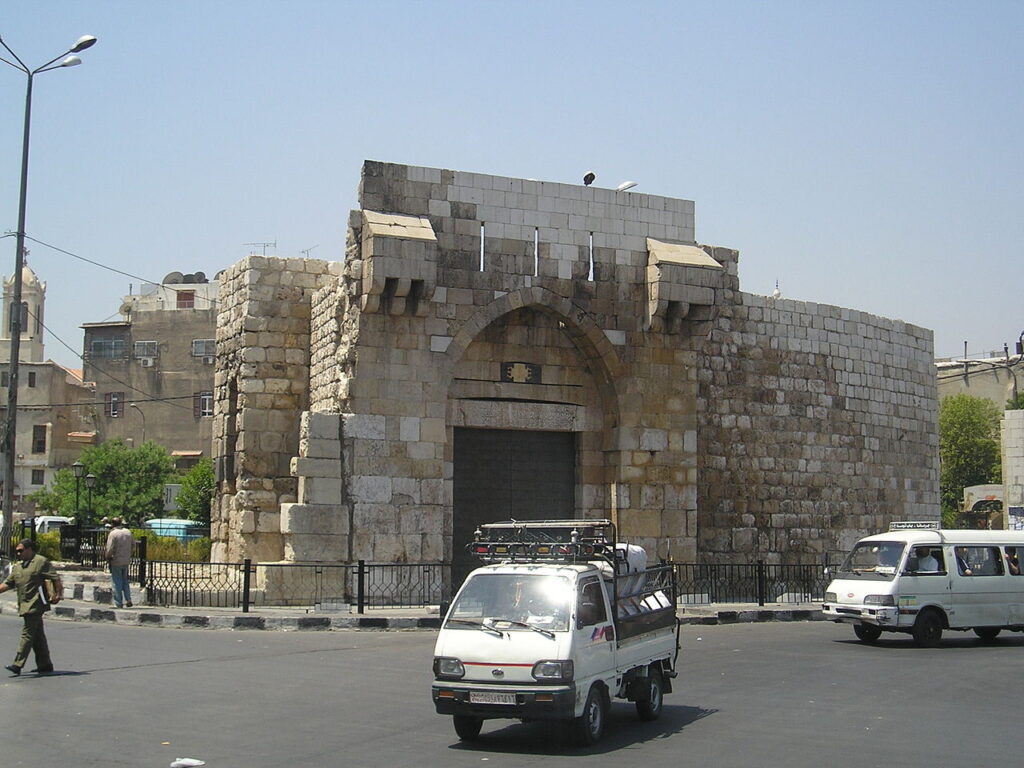
Bab al-Saghir
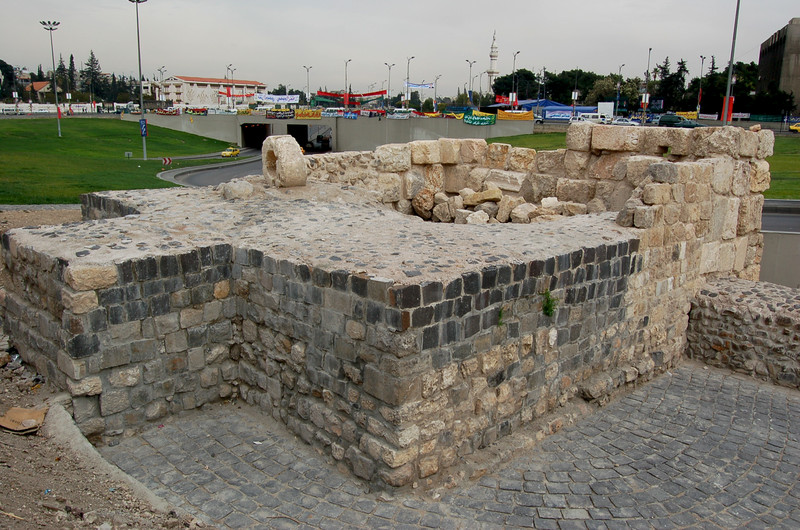
Damascus’s smallest and most unadorned gate, later repurposed as an entrance to the Bab al-Saghir cemetery. It is believed to have been constructed atop an ancient Roman temple.
Damascus’s smallest and most unadorned gate, later repurposed as an entrance to the Bab al-Saghir cemetery. It is believed to have been constructed atop an ancient Roman temple.
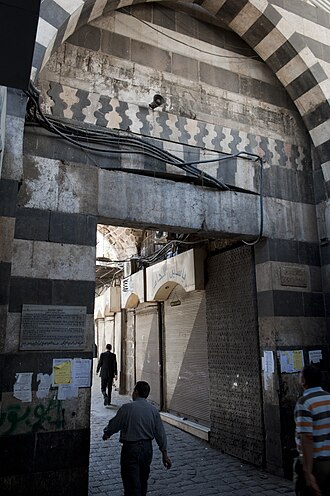
Built during the reign of Nur al-Din Zangi, it was named with optimism for relief and ease. Despite changes, it remained standing and underwent renovations during the Ottoman and modern

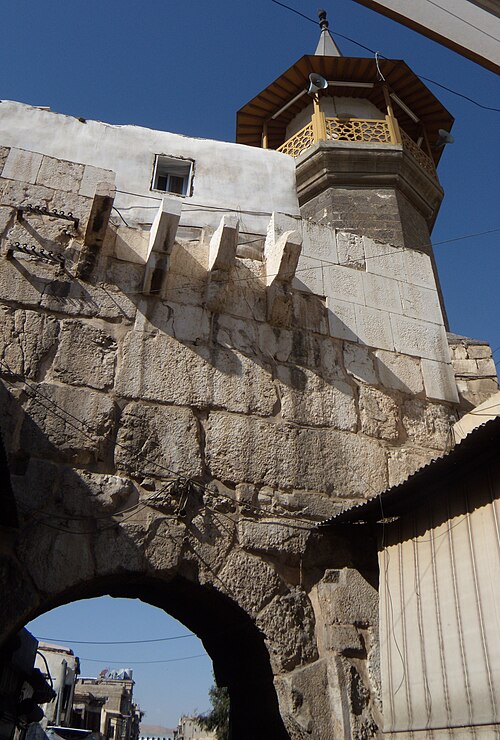
It means ‘gate of the gardens’ and was the entrance to the city’s surrounding orchards. The city’s inhabitants used it as the main route between the city and the countryside.
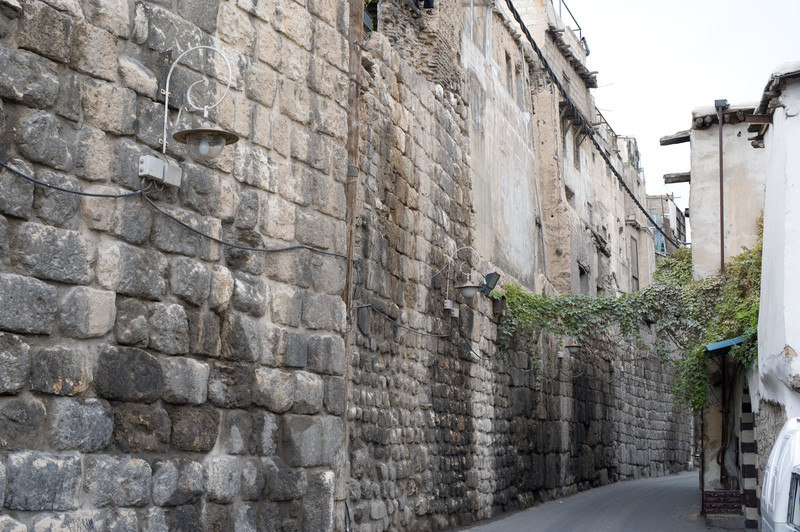
It was named in the hope of peace because it had never been the scene of any battles. It was built during the reign of Nur al-Din Zangi. It remained

During the conquest of Damascus, Abu Ubaida ibn al-Jarrah entered it, and it was named after the village of al-Jabiya in Horan. Situated at the western entrance to the city,
It was attributed to Muawiya’s master and was left behind by Saint Paul when he fled Damascus. Converted into Saint Paul’s Church, it is considered one of the most significant

The sole gate that has maintained its original Roman design, Khalid ibn al-Walid entered through it when he vanquished Damascus. Characterised by its Roman triple design, it is located at